

We all know how it feels to be stressed, but what do we really mean by stress on the body?
 Stress is when the demands we are placing on ourselves (physically, mentally, emotionally) are too much for us to cope with them. We often don’t consider physical stress or the implications on stress on the body, we think of it as being a mental health issue or something that is just in the mind.
Stress has an effect on the body, not just the mind. It does not mean we are overly emotional and irrational. There should be no automatic assumption that if someone is stressed, they must have a mental illness. It’s is a highly individual process.
Events that cause one person extreme stress may only be minor to another. This is because our attitude to both stress and the event itself alter how our body responds. Some people thrive on stress and even use it to their advantage to get tasks done.It all comes down to how you perceive stress. If you would like to know more about the relationship between stress and poor posture, you can find out more here.
Stress is when the demands we are placing on ourselves (physically, mentally, emotionally) are too much for us to cope with them. We often don’t consider physical stress or the implications on stress on the body, we think of it as being a mental health issue or something that is just in the mind.
Stress has an effect on the body, not just the mind. It does not mean we are overly emotional and irrational. There should be no automatic assumption that if someone is stressed, they must have a mental illness. It’s is a highly individual process.
Events that cause one person extreme stress may only be minor to another. This is because our attitude to both stress and the event itself alter how our body responds. Some people thrive on stress and even use it to their advantage to get tasks done.It all comes down to how you perceive stress. If you would like to know more about the relationship between stress and poor posture, you can find out more here.
The Short Term – Fight or Flight!
 In the short term, stress is basically the fight-or-flight response.
Stress hormones are released, which cause your heart to beat faster, your blood vessels to constrict and your breathing to speed up.
In the short term, stress is basically the fight-or-flight response.
Stress hormones are released, which cause your heart to beat faster, your blood vessels to constrict and your breathing to speed up.
What About the Long Term?
In chronic, or long-term stress, this process continues over and over, constantly using energy to cope with the increased demands.This can result in strain on our cardiovascular system, immune system and impacts on our brain from being exposed to stress hormones all the time. This includes a loss in concentration, fatigue, anxiety and depression. Cool TED Ed animated video about effects of stress can be found here.The way we deal with stress depends on a variety of things, including:

- The impact it has on us individually
- Whether we have experienced something like this before
- Whether we have a good support system
- How important the outcome is to us
5 Top Tips for Managing and Minimising Stress on the Body
When it comes to managing stress, there are some tips and tricks we can use. Most of them come back to a well-balanced lifestyle and a good social support system.
EXERCISE
 We don’t mean a leisurely stroll.20 mins of exercise that gets you puffed out at least 3 times a week is all it takes to have stress lowering effects. That doesn’t mean exercise is not worthwhile when you don’t have this much time.If you have 5 minutes, do that and fit in another small stint for later in the day.Something is always better than nothing.When you don’t have space or equipment, do some simple full body actions such as squats, lunges, plank, side plank or even jog on the spot.Skipping is another great option that gets your heart rate up fast.
Eat a NUTRITIOUS DIET
 Eat lots of fruit and vegetables.Increase the number of colours and flavours you eat during the day.You can even set yourself a challenge, such as ‘how many days can I eat a different purple food for the week’.If you’re now thinking, ‘there are not many purple foods around’ – blueberries, blackberries, purple potatoes, purple carrots and purple cauliflower are just to name a few.Reduce or avoid sweet and fatty comfort foods. These don’t help our stress levels, or our waistlines.They may give us a hit of “feel good” but it will only be short lasting and you may find yourself regretting it later.
SLEEP
 Good sleep hygiene is essential. We know adults who get 7-9 hours of sleep per night tend not only to live longer on average, but feel better in the process.You are less likely to feel overwhelmed, moody or unnecessarily emotional.Seriously, no one wants to feel like that anyway.Remember to put down your devices 1 hour before bed, and do something relaxing like listening to music or reading.
RELAXATION AND FUN
 Give yourself time each day to do something relaxing, something with people who make you feel good and something fun.This does not need to take hours.A pleasurable activity can start to stimulate the feel good vibes within minutes. Most importantly, you do not necessarily need to make time for the activity. If you like arts and crafts, can you do this at the same time as sitting on the couch while your loved ones watch TV or while they are playing sport.What about if reading is more your style? Set up an audiobook account, so you can listen to something interesting while you are in the car. Planning fun activities has also shown to have many positive effects.In fact, many of the health benefits of a holiday are in the planning phases.That doesn’t sound quite right does it!
Basically if you plan and book the holiday (or fun activity) you have something to look forward to which has many positive impacts on our sense of health and wellbeing.
Give yourself time each day to do something relaxing, something with people who make you feel good and something fun.This does not need to take hours.A pleasurable activity can start to stimulate the feel good vibes within minutes. Most importantly, you do not necessarily need to make time for the activity. If you like arts and crafts, can you do this at the same time as sitting on the couch while your loved ones watch TV or while they are playing sport.What about if reading is more your style? Set up an audiobook account, so you can listen to something interesting while you are in the car. Planning fun activities has also shown to have many positive effects.In fact, many of the health benefits of a holiday are in the planning phases.That doesn’t sound quite right does it!
Basically if you plan and book the holiday (or fun activity) you have something to look forward to which has many positive impacts on our sense of health and wellbeing.
PRE-PLANNING
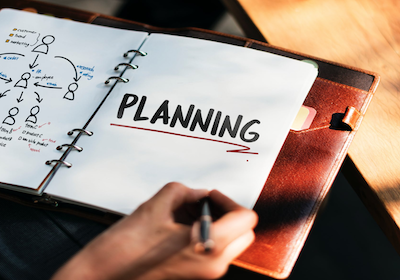 It may be helpful to think about what situations make you feel stressed and why that is.Anticipating what you know makes you stressed is very useful in order for you to plan ahead.This way you can make a plan around what you could or would do the next time you find yourself in a similar situation.Sometimes acknowledging that things are outside our control can help.
Thinking about our attitude to stress can help!
 The stress response is really our body getting ready to meet a challenge.
We can try to view it as a positive thing.
Research has shown that our attitude to stress can change how the body responds, making it ‘better at stress’.
Check out this interesting TED talk from Kelly McGowin, PhD about how our attitude towards stress changes our body’s responses.
Note she still says we should be reducing stress in our lives.
The stress response is really our body getting ready to meet a challenge.
We can try to view it as a positive thing.
Research has shown that our attitude to stress can change how the body responds, making it ‘better at stress’.
Check out this interesting TED talk from Kelly McGowin, PhD about how our attitude towards stress changes our body’s responses.
Note she still says we should be reducing stress in our lives.

 A Treatment Management Plan is exactly what it sounds like – a plan to get you back to your best self.
It is usually given at either your first appointment, an appointment for a new condition, or a review appointment.
The plan helps to remind you about what advice was given, as well as the strategy for getting you back to normal.
Furthermore, it outlines what you can do to help yourself feel better.Don’t worry, you won’t be feeling like this for long.
A Treatment Management Plan is exactly what it sounds like – a plan to get you back to your best self.
It is usually given at either your first appointment, an appointment for a new condition, or a review appointment.
The plan helps to remind you about what advice was given, as well as the strategy for getting you back to normal.
Furthermore, it outlines what you can do to help yourself feel better.Don’t worry, you won’t be feeling like this for long.
 Our practitioners try to ensure you have something to refer back to after you leave us. This is because we know it can be hard to remember everything you’ve been told and we know that pain messes with our ability to recall information.
Depending on your appointment, you may receive your management plan as a print-out before you leave us or as an email.
Our practitioners try to ensure you have something to refer back to after you leave us. This is because we know it can be hard to remember everything you’ve been told and we know that pain messes with our ability to recall information.
Depending on your appointment, you may receive your management plan as a print-out before you leave us or as an email.
 Knowing what our practitioners are going to do to help you and what you can do to help yourself allows you to feel in control of your progress.
You are in charge of your recovery with this information.
As a result, our patients who take the lead in their care get the best results.
Knowing what our practitioners are going to do to help you and what you can do to help yourself allows you to feel in control of your progress.
You are in charge of your recovery with this information.
As a result, our patients who take the lead in their care get the best results.



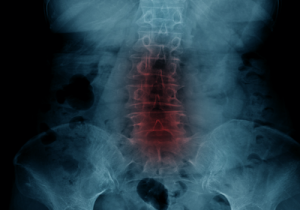

 We understand the fear and pain people can experience with sciatica.
There are lots of sleepless nights, the pain medication often doesn’t do much and the people around you can be less than sympathetic.
Sciatica is painful!
Believe it or not, this is one of the most common reasons why people come to
We understand the fear and pain people can experience with sciatica.
There are lots of sleepless nights, the pain medication often doesn’t do much and the people around you can be less than sympathetic.
Sciatica is painful!
Believe it or not, this is one of the most common reasons why people come to  There is lots of bad advice out there!
This can come from well meaning friends, family or even out of date health professionals.
Some will say rest, some will say move, some will say do everything you normally do.
What is the right approach?
Firstly, we need to break the most common myth, which is rest.
DO NOT LAY AROUND IN BED RESTING.
This is terrible advice.
It will prolong your pain.
Still feeling unsure and want to rest,
There is lots of bad advice out there!
This can come from well meaning friends, family or even out of date health professionals.
Some will say rest, some will say move, some will say do everything you normally do.
What is the right approach?
Firstly, we need to break the most common myth, which is rest.
DO NOT LAY AROUND IN BED RESTING.
This is terrible advice.
It will prolong your pain.
Still feeling unsure and want to rest, 
 Your practitioner should perform an examination.
This should include getting you to perform movement to see what you can and can not do.
In some instances, they may test nerve function. This may include using a reflex hammer, checking muscular strength and sensation.
It can be appropriate to perform specific tests that can briefly aggravate your pain.
This helps form a diagnosis.
If you are experiencing changes to bladder or bowel function, altered sensation or numbness in your saddle region (groin and genitalia) you should be referred for further investigation.
Most people do not need an x-ray or MRI.
Your practitioner should perform an examination.
This should include getting you to perform movement to see what you can and can not do.
In some instances, they may test nerve function. This may include using a reflex hammer, checking muscular strength and sensation.
It can be appropriate to perform specific tests that can briefly aggravate your pain.
This helps form a diagnosis.
If you are experiencing changes to bladder or bowel function, altered sensation or numbness in your saddle region (groin and genitalia) you should be referred for further investigation.
Most people do not need an x-ray or MRI.