Mouth breathing might seem harmless, but over time it can shape your sleep, energy and overall health in ways you may not expect.

How your breathing influences sleep, energy and health, and how osteopathy may assist.

Why This Matters

TThe way you breathe influences how well you sleep, how efficiently you oxygenate and how your body functions over time. Nasal breathing supports the preparation and regulation of air as it enters the body, while persistent mouth breathing may alter breathing mechanics, airway function and overall health.

Signs You May Be Mouth Breathing

Many people are not aware of how they breathe, particularly at rest or during sleep.

Mouth breathing often develops gradually and may go unnoticed.

Some common signs include:

    • Waking with a dry mouth or sore throat
    • Snoring or disrupted sleep
    • Feeling unrefreshed on waking
    • Frequent nasal congestion or a sense of restricted airflow
    • Needing to breathe through the mouth during light activity
    • Jaw tension, clenching or discomfort
    • A tendency to breathe through the mouth at rest

These signs do not indicate a specific diagnosis, but may suggest that breathing patterns are worth exploring.

Why Nasal Breathing Is Important

The nose does more than allow air to pass through. It plays an active role in preparing and regulating the air before it reaches the lungs.

Nasal breathing:

    • Warms the air towards body temperature
    • Humidifies the air, helping protect airway tissues
    • Filters particles such as dust, allergens and microorganisms
    • Supports nitric oxide production, which contributes to airway regulation and gas exchange
    • Encourages a more efficient breathing pattern, often involving the diaphragm rather than the upper chest

In contrast, habitual mouth breathing bypasses many of these processes and may contribute to dryness, irritation and altered breathing mechanics over time.

What Happens with Chronic Mouth Breathing

Occasional mouth breathing is normal.The concern arises when it becomes a consistent pattern.

Over time, this may be associated with:

    • Sleep disturbances, including snoring and obstructive sleep apnoea
    • Fatigue, often linked to reduced sleep quality
    • Increased susceptibility to respiratory infections
    • Dry, irritated airways, particularly during exercise
    • Changes in breathing mechanics, often becoming more upper chest dominant
    • Jaw tension and altered function
    • Influences on facial growth and development in children, particularly involving the palate and midface
    • Increased airway sensitivity during exercise, especially in people with asthma

These changes often reflect the body adapting to altered airflow rather than a single underlying cause.

Common Causes of Mouth Breathing

Mouth breathing is usually a response to an underlying factor rather than a conscious choice.

Common contributors include:

    • Nasal congestion, including allergies or sinus irritation
    • Structural variations such as a deviated septum
    • Enlarged tonsils or adenoids, particularly in children
    • Habitual breathing patterns developed over time
    • Stress and altered breathing regulation
    • Jaw and palate structure influencing airway space

It is important to note that occasional mouth breathing is not a concern. The focus is on persistent patterns over time.

Nasal Breathing in Babies and Children

Nasal breathing is particularly important in babies and young children. In early life, the nasal airway plays a central role in breathing, feeding and development.

Babies are primarily nasal breathers. This supports coordination between breathing and feeding, particularly during breastfeeding, where the ability to breathe comfortably through the nose is essential.

When nasal breathing is disrupted, it may influence feeding efficiency, sleep quality and overall comfort. Some babies may appear unsettled during feeds, have difficulty maintaining a latch or show signs of increased effort when breathing.

In some cases, babies and children may develop a tendency towards mouth breathing.

This can be influenced by factors such as nasal congestion, tongue position, feeding difficulties or structural considerations.

Over time, persistent mouth breathing in children may be associated with changes in the palate and midface, as well as breathing patterns during sleep and activity.

These patterns are often adaptive, reflecting how the body is responding to its environment and available space, rather than a single underlying cause.

How Osteopathy May Assist

Osteopathic care for babies and children is gentle and tailored to the individual. It may assist in supporting:

    • Comfort during feeding
    • Movement and coordination of the jaw and tongue
    • Areas of tension that may influence breathing
    • Overall patterns of movement and regulation

If there are concerns about breathing, feeding or sleep, assessment by a GP, paediatrician or other appropriate health professional is recommended. Osteopathy can be used alongside this care as part of a broader approach.

How Osteopathy May Assist with Breathing Patterns

Osteopathy focuses on the relationship between structure and function, including breathing.

Osteopathy may assist in improving the factors that influence breathing patterns, including jaw function, tongue position, posture and the mechanics of the rib cage and diaphragm. By supporting these relationships, it may help create a more favourable environment for nasal breathing.

Osteopathy does not directly treat conditions such as sleep apnoea or airway obstruction. Where these are present, appropriate medical assessment is important. Osteopathic care is often used alongside other approaches as part of a broader management plan.

Jaw and Facial Mechanics

The position and movement of the jaw can influence airway space and breathing patterns. Osteopathic assessment may consider tension, alignment and coordination in this region.

Palate, Midface and Tongue Function

The palate forms part of the nasal airway and contributes to how air moves through the nose. Its shape and adaptability are influenced not only by structure, but also by function over time.

The position and motion of the tongue are important considerations in this context. At rest, the tongue ideally rests gently against the palate, supporting the relationship between the upper jaw and the nasal airway.

When the tongue rests low in the mouth, this relationship changes. Over time, this may be associated with altered palatal form and a tendency towards mouth breathing patterns.

Osteopathic assessment may consider how the tongue, palate and surrounding tissues interact, including tension, coordination and available space.

Sinus Congestion and Drainage

Congestion within the sinuses can contribute to nasal obstruction. Gentle techniques may assist in supporting fluid movement and reducing a sense of pressure.

Breathing Mechanics

Efficient breathing relies on coordinated movement of the diaphragm, ribs and thoracic spine. Osteopathic care may assist in improving mobility and reducing compensatory patterns.

Posture and Whole Body Integration

Breathing does not occur in isolation. Posture, spinal movement and soft tissue balance all influence how effectively the body can breathe.

Tongue Posture and Breathing

Tongue posture plays an important role in breathing function.

At rest, the tongue ideally rests gently against the palate, with the tip just behind the upper front teeth and the body contacting the roof of the mouth.

This supports the relationship between the palate, upper jaw and nasal airway.

When the tongue rests low in the mouth or is habitually held away from the palate, this relationship changes. Over time, this may be associated with reduced support for nasal airflow and a tendency towards mouth breathing.

Tongue posture does not need to be forced. In many cases, it reflects underlying factors such as nasal patency, jaw position and breathing mechanics.

A Simple Starting Point

    • Allow the lips to close softly
    • Let the teeth remain slightly apart
    • Rest the tongue gently against the palate
    • Breathe quietly through the nose

This should feel relaxed and sustainable. If it feels effortful, other factors may need to be addressed first.

Practical Ways to Support Nasal Breathing

    • Become aware of how you breathe at rest
    • Practise nasal breathing during low intensity activities
    • Support nasal airflow where appropriate
    • Slow the breath to reduce over breathing
    • Build tolerance gradually during exercise
    • Consider sleep position, particularly side lying
    • Seek assessment if nasal breathing feels consistently difficult

When to Seek Further Medical Advice

If you experience ongoing nasal blockage, loud snoring, pauses in breathing during sleep or persistent fatigue, it is important to consult a GP or appropriate specialist.

Osteopathy can be used alongside medical care as part of a broader approach.

Frequently Asked Questions

Can osteopathy fix mouth breathing

Osteopathy may assist in improving the factors that influence breathing patterns, including jaw function, tongue position, posture and breathing mechanics. It is often part of a broader approach.

Osteopathy does not directly treat conditions such as sleep apnoea or airway obstruction. Where these are present, appropriate medical assessment is important.

Is mouth breathing always a problem

No. Mouth breathing is normal at times, such as during exercise or temporary nasal blockage. It becomes more relevant when it is a consistent pattern.

Can mouth breathing affect children

Breathing patterns can influence how the face and jaw develop over time. Persistent mouth breathing in children may be associated with changes in the palate and midface.

Can I train myself to breathe through my nose

In many cases, yes. Gradual changes and awareness can support this. If nasal breathing is difficult, underlying factors should be considered.

Should I tape my mouth at night

This approach is not appropriate for everyone. It should not be used where nasal breathing is restricted or where sleep issues have not been assessed.

Final Thoughts

Nasal breathing supports the body’s ability to regulate and prepare airflow. When this pattern changes, the effects may extend beyond the respiratory tract into sleep, energy levels and overall function.

By addressing the mechanical and functional aspects of breathing, osteopathy may assist in supporting more efficient breathing patterns over time.

Next Steps

If you are experiencing ongoing nasal congestion, disrupted sleep or difficulty breathing comfortably through your nose, it may be worth having your breathing patterns assessed.

Osteopathy may assist in addressing the mechanical and functional factors that influence how you breathe, as part of a broader approach to your health.


Read More

In my clinical experience as an osteopath, I often encounter the assumption that breastfeeding is an innate skill, something both mother and baby should simply know how to do. In reality, this couldn’t be further from the truth. Breastfeeding is a learned skill that develops between mother and baby together. It requires coordination, communication and adaptation from both, as they find a rhythm that works for them.

Breastfeeding Is a Learned Skill Between Mother and Baby 

Breastfeeding is also a highly coordinated process involving both the baby and the mother. For the baby, it requires a finely tuned interaction between suck, swallow and breathing, alongside effective movement through the jaw, tongue, neck and rib cage. For the mother, it involves milk production, let-down reflexes, comfortable positioning and the ability to respond to the baby’s cues. When these processes are well coordinated, feeding can feel relatively smooth. When any part is disrupted, feeding can become challenging for both.

How Osteopathy Supports Breastfeeding Infants 

This is where osteopathy can play an important and supportive role.

Osteopaths working with infants approach feeding difficulties through the lens of structure and function. Rather than focusing solely on latch or milk supply, we consider how the baby’s musculoskeletal and nervous systems, along with their overall body organisation, contribute to their ability to feed effectively.

After a detailed discussion to understand what is happening, your concerns, and the relevant pregnancy and health history of both you and your baby, we perform an assessment. This is combined with education and guidance to help you read your baby’s cues, hands-on treatment to address any areas of tension identified, and simple home-based strategies to support the care provided.

At our Chirnside Park clinic in Melbourne’s outer east, right at the gateway to the Yarra Valley, we regularly support families navigating breastfeeding challenges in collaboration with lactation consultants.

The Role of the Baby’s Body in Feeding 

Tension through the neck or jaw may limit a baby’s ability to open their mouth or maintain a comfortable latch. The tongue and floor of the mouth play a central role in generating suction and coordinating swallowing.

The shape and contour of the palate also influence how the nipple is positioned within the mouth. A higher or narrower palate may make it more difficult for the baby to maintain an effective seal or achieve optimal tongue positioning, which can impact milk transfer and maternal comfort.

Breathing mechanics are equally important. Babies need to maintain a smooth rhythm between sucking, swallowing and breathing, and this relies on comfortable movement through the rib cage, diaphragm, chest and abdomen. If these areas are not moving well together, the coordination required for feeding can become more difficult, and babies may fatigue more easily or need to pause more frequently.

Why Posture and Whole Body Function Matter 

Osteopathic assessment looks at how the head moves on the neck, how the jaw articulates, how the tongue functions, and how the palate and oral structures relate to feeding. We also consider how the whole body supports this process, including postural positioning and overall body tone.

Posture and positioning play a significant role in how a baby feeds. Restrictions or asymmetries through the trunk, pelvis or shoulders may affect how easily a baby can settle, turn their head or maintain alignment while at the breast. This is one of the reasons osteopaths assess the whole body, not just the head, neck and face. By considering how the entire body contributes to feeding, we can better understand why certain positions may feel easier or more difficult for a baby, and where support may be helpful.

Supporting the Mother: Comfort and Feeding Position

Assessment is hands-on and incorporates many of the same clinical observations used by a GP, paediatrician or maternal child health nurse.

This includes assessing body tone, developmental progress, infant reflexes and joint mobility. In addition, osteopathic assessment extends to evaluating how tissues move and respond, allowing us to identify areas of increased tension or reduced mobility that may be contributing to feeding difficulties. Treatment is then adapted to the individual baby, and is typically less physically demanding than the assessment itself, working with the baby’s responses to support more efficient movement and function.

An important part of this work is recognising that feeding is not just about the baby.

Osteopaths also support mothers experiencing discomfort associated with breastfeeding. Feeding often involves sustained positions, repetitive movements and physical load through the upper body. It is common for mothers to experience wrist strain, elbow or shoulder pain, neck tension or discomfort through the spine when sitting for extended periods. These factors can influence how comfortably and effectively a mother is able to position and support her baby during feeds. Comfort and ease also play a role in supporting the let-down reflex.

By addressing these areas, osteopathic care can help improve maternal comfort and reduce strain, which in turn supports a more sustainable and positive feeding experience. This reflects an important principle in osteopathy: we are working with the mother–baby dyad, not just one or the other.

Osteopathy and Lactation Consultants: A Collaborative Approach

We regularly work alongside lactation consultants and find their skills and knowledge highly complementary to what we do. Lactation consultants provide specialised support with latch, positioning, milk transfer and feeding plans, and osteopathy does not replace this care.It is common for lactation consultants to refer to osteopaths when they feel physical factors may be contributing to feeding challenges. Likewise, osteopaths frequently refer families to lactation consultants for ongoing feeding guidance and support. This collaborative approach helps ensure both the structural and practical aspects of feeding are supported.

When to Seek Support (and Why Earlier Is Better) 

Another important, and often overlooked, aspect of this collaboration is early preparation. Many parents only seek support once difficulties have already developed. However, there is significant value in seeing a lactation consultant during pregnancy. Antenatal consultations can help parents understand what to expect, how to establish feeding in the early days and when to seek help if concerns arise.

From an osteopathic perspective, early awareness also allows for timely support where needed. If a baby is born following a more complex birth, or if early feeding challenges emerge, having an established network of care can make a meaningful difference.

Ultimately, supporting breastfeeding infants is not about one profession working in isolation. Feeding is a whole-body, relational process that involves both mother and baby. By addressing the physical factors that may influence feeding, while working alongside lactation consultants for specialised guidance, osteopaths contribute to a collaborative model of care that supports families to feed, connect and thrive.

Frequently Asked Questions 

Frequently-Asked-Questions

Can an osteopath help with breastfeeding difficulties? 

Osteopaths can support breastfeeding by assessing how your baby’s body is functioning and identifying any areas that may be making feeding more difficult. This may include tension through the jaw, neck or body, challenges with coordinating suck, swallow and breathing, or difficulties maintaining a comfortable position at the breast

Treatment aims to support more efficient movement and coordination, while also providing guidance to parents on positioning and reading their baby’s cues. Osteopathy is often used alongside lactation support to provide a more complete approach to feeding.

What does an osteopath look for in a baby with feeding issues? 

An osteopath will assess several aspects of your baby’s development and function, including body tone, reflexes, joint mobility and overall movement patterns. We also look at how the tongue, jaw and palate are working, as well as how your baby coordinates sucking, swallowing and breathing.

Importantly, we assess the whole body, not just the mouth. Posture, alignment and comfort through the trunk and neck can all influence how easily a baby is able to feed.

Can osteopathy help if my baby has trouble latching? 

In some cases, difficulties with latching may be influenced by how a baby is able to move and organise their body. For example, tension through the jaw or neck, or difficulty maintaining alignment, may affect how easily a baby can achieve or sustain a latch.

These factors can also influence a baby’s ability to maintain a consistent lip seal, coordinate sucking efficiently, and stay engaged during a feed. Some babies may fatigue more quickly, come on and off the breast, fall asleep before completing a feed, lose milk from the mouth, or make clicking sounds while feeding.

Osteopathic care may help by addressing these contributing factors, supporting more efficient coordination and comfort during feeding.

However, latch technique and feeding strategies are best guided by a lactation consultant, and we commonly work alongside them to support both structure and function.

trouble-latching

Do I still need to see a lactation consultant?

We regularly work alongside lactation consultants and find their skills and knowledge highly complementary to what we do. Lactation consultants provide specialised support with latch, positioning, milk transfer and feeding plans, and osteopathy does not replace this care. Lactation consultants may refer to osteopaths when they feel physical factors are contributing to feeding challenges, and osteopaths often refer families back to lactation consultants for ongoing feeding support. This collaborative approach helps ensure both the structural and practical aspects of feeding are supported.

Is osteopathic treatment safe for newborns? 

Osteopathic assessment and treatment for babies is highly specific and adapted to their stage of development. Assessment includes many of the same observations used by other primary healthcare providers, such as GPs, paediatricians and maternal child health nurses.Treatment is tailored to the individual baby and is typically less physically demanding than the assessment itself, working with the baby’s responses to support comfort and function. We take a considered approach to care, avoiding techniques that are more likely to cause discomfort, and do not perform high velocity or cracking manipulation techniques on babies or young children.

Can osteopathy help with unsettled behaviour or feeding fatigue? 

These concerns can sometimes be associated with how a baby is coordinating feeding and managing their body during and after feeds. Difficulties with breathing coordination, body tension or positioning may contribute to signs such as frequent breaks during feeds, unsettled behaviour or fatigue.Osteopathy may support these patterns by addressing contributing physical factors. It is important that any ongoing or concerning symptoms are also discussed with your GP or paediatrician.

unsettled-behaviour-or-feeding-fatigue

When should I bring my baby to see an osteopath? 

Babies can be seen at any stage, from the early days after birth through to later infancy. You may consider seeking support if feeding feels difficult, uncomfortable or inconsistent, or if your baby seems unsettled during or after feeds.Early support can be particularly helpful, especially if there has been a longer or more complex birth, or if feeding challenges are present in the first few weeks.

Can osteopathy support me as a mother during breastfeeding? 

Yes. Osteopaths commonly support mothers experiencing discomfort associated with feeding. This may include wrist, elbow or shoulder pain, neck tension or discomfort through the spine.Improving maternal comfort can make feeding feel more sustainable and may also support the ability to relax during feeds, which plays a role in the let-down reflex.

Do I need a referral to see an osteopath? 

No, you do not need a referral to see an osteopath. However, we often work closely with other healthcare providers and are happy to collaborate with your lactation consultant, GP or paediatrician to support you and your baby

About the Author 

Dr. Prue Eddie is an Osteopath based in Chirnside Park in Melbourne’s outer east, with a clinical focus on infant feeding, early development and care of the mother–baby dyad.She has been working with mothers and babies in clinical practice since 2008, and has undertaken additional training in manual therapy for infants, including completion of a Graduate Certificate in Infant and Paediatric Manual Therapy at Victoria University in 2012.In addition to clinical practice, she is involved in teaching osteopaths in Australia and internationally, and is currently involved in a PhD research project investigating the role of osteopathic care in supporting babies experiencing breastfeeding difficulties associated with musculoskeletal dysfunction. More information about this research can be found at https://breastfeeding-research.com/.She regularly works alongside lactation consultants and other healthcare providers to support families navigating feeding challenges, combining a strong understanding of anatomy, physiology and clinical care.

Read More

Pregnancy involves remarkable physiological and postural changes. One common experience is gastro-oesophageal reflux disease (GORD), also known as acid reflux. This may cause sensations such as heartburn, regurgitation, or nausea.

These symptoms often arise from a combination of hormonal changes, increased intra-abdominal pressure, and altered diaphragm position as the uterus expands.

Osteopaths use an evidence-informed, holistic approach to care. They consider how the body’s structural and functional relationships may contribute to comfort and movement. While osteopathic care does not treat reflux itself, it may help support the body’s natural adaptations to pregnancy.

The Ribs, Thorax, and Fascial Continuity

As pregnancy progresses, the growing uterus shifts the diaphragm upwards and influences rib cage motion. The ribs expand laterally, increasing the subcostal angle to support respiratory function despite reduced space within the thoracic cavity.

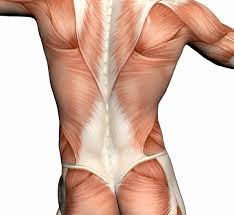
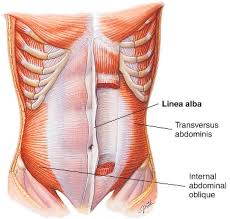
The thoracolumbar fascia, linea alba, and surrounding musculature form part of a continuous fascial network that distributes tension across the trunk. These structures assist in maintaining postural balance and regulating intra-abdominal pressure—factors that may influence overall comfort. 


Osteopaths may assess movement in the thoracic spine, ribs, and associated soft tissues. Gentle manual techniques, where appropriate, may be used to promote ease of motion, postural adaptability, and comfort.

The Diaphragm and Its Fascial Relationships

The diaphragm is essential for breathing and maintaining the separation between thoracic and abdominal cavities. During pregnancy, it rises approximately 4–5 cm, changing breathing mechanics and pressure relationships in the abdomen.

Anatomically, the diaphragm’s crura blend with the anterior longitudinal ligament and the fascia overlying the psoas muscles, creating a direct fascial connection between the spine, abdomen, and pelvis. The linea alba and thoracolumbar fascia continue this chain, linking upper and lower body tension patterns.

In osteopathic assessment, attention may be given to these fascial continuities and their role in postural and respiratory dynamics. Supporting mobility in these areas can assist the body’s ability to adapt throughout pregnancy.

Cervical Spine and Neural Considerations

The cervical spine supports head posture and houses important neurological pathways.

    • The vagus nerve, originating in the brainstem, contributes to parasympathetic control of the digestive tract, including the stomach.
    • The phrenic nerve, arising from C3–C5, innervates the diaphragm.

Changes in cervical or upper thoracic tension may influence comfort and posture. Osteopathic assessment may include gentle mobilisation and soft tissue techniques aimed at supporting movement and balance in these regions.

Maintaining musculoskeletal mobility and influences on these nervous structures may support general wellbeing and comfort during pregnancy.

Breathing Mechanics and Intra-Abdominal Pressure

During pregnancy, breathing mechanics shift due to diaphragm elevation and rib cage expansion. These changes can influence intra-abdominal pressure, potentially affecting comfort or contributing to sensations of reflux in some individuals.

The fascial network connecting the diaphragm, back, abdominals, and pelvic floor plays a role in this pressure regulation.

Osteopaths may provide guidance on breath awareness and gentle postural strategies to support efficient breathing patterns. Such advice aims to complement—not replace—medical management for reflux symptoms.

The Autonomic Nervous System and Stress Response

The autonomic nervous system helps regulate digestion, breathing, and heart rate. During stress, sympathetic (“fight or flight”) activity increases, sometimes influencing the onset of reflux symptoms.

Osteopathic approaches that encourage relaxation—such as gentle soft tissue or indirect techniques—may support a sense of calm and physical ease. These are intended to complement broader self-care or medical strategies, rather than to alter autonomic function or treat reflux directly.

Broader Structural Continuities: The Filum Terminale

The filum terminale is a delicate structure that extends from the spinal cord to the coccyx, representing the lower anchor of the central nervous system. It continues the body’s connective and fascial network from cranial to caudal ends.

From an osteopathic perspective, this illustrates the importance of viewing the body as an integrated whole; where tension, posture, and motion in one area may relate to others.

While not directly linked to reflux, this perspective reinforces the osteopathic principle of interconnected structure and function in patient care.

A Collaborative, Patient-Centred Approach

Osteopaths provide patient-centred care that considers the physical, emotional, and functional needs of each individual.

For pregnant patients experiencing reflux, osteopathic assessment may help identify musculoskeletal or postural contributors to discomfort and support the body’s natural adaptations.

Osteopathic care is best considered a complementary approach, working alongside medical and allied health care. Patients experiencing reflux during pregnancy should always consult their GP, midwife, or obstetrician for appropriate medical guidance and management.

Key Takeaways

    • Osteopaths use a whole-person, evidence-informed approach.
    • Assessment may include rib, thoracic, cervical, and fascial relationships.
    • Techniques aim to support comfort, posture, and breathing, not to treat reflux.
    • Collaboration with medical care ensures safe and effective patient management.
 

Disclaimer

This article is intended for general educational purposes and does not constitute medical advice.

Osteopaths registered with the Osteopathy Board of Australia (AHPRA) provide care within an evidence-informed, patient-centred framework.

If you have concerns about reflux or other symptoms during pregnancy, please seek advice from your GP, midwife, or other qualified healthcare professional.

If you have any further questions?

Feel free to reach out to our team at Koru Natural Therapies, one of our Osteopaths may be able to assist you. Give us a call on 03) 9736 9408 or book online here.

Written by Dr. Schae Harrison (Osteopath)

Read More

If you live with migraines, you’ll know they’re not “just a bad headache.” They can stop you in your tracks, disrupt work, family life, and make even simple things feel impossible. For many people, the hardest part is not knowing when the next migraine will arrive — or what’s really causing them.

At Koru Natural Therapies, we often see people who’ve tried medications, lifestyle changes, or simply pushed through their migraines without much relief. Osteopathy offers a whole-body approach that may help you better understand your triggers and support your body in managing them.

The Many Faces of Migraine

Migraines can look very different from person to person. Some of the most common types include:

Knowing your type helps you understand why migraines show up and how to manage them.

Often-Missed Migraine Triggers

Migraines aren’t always just about the head. Here are some commonly overlooked contributors:

  • Eye strain – Long screen time, poor posture, or outdated glasses can trigger migraines.
  • Neck tension – Tight muscles in the neck, shoulders, and jaw often play a role.
  • Stress – Changes in hormones and muscle tension from stress can tip the body into migraine mode.
  • Gut–brain axis – Food sensitivities, poor digestion, or gut bacteria imbalance may contribute.
  • Breathing mechanics – Shallow or chest-only breathing can strain the neck and reduce oxygen supply.

How Your Osteopath Can Support You

Osteopaths look at the whole person, not just the head. Treatment is gentle and supportive, aiming to reduce strain, improve movement, and calm the nervous system.

We may:

  • Release tension in the neck, shoulders, and jaw.
  • Provide personalised ergonomic advice for work, home or study.
  • Encourage healthier breathing mechanics.
  • Use gentle techniques for the abdomen to support digestion and relieving internal strain patterns.
  • Offer guidance around stress and lifestyle habits.

Osteopathy may not “cure” migraines, but many people find their headaches become less frequent, less intense, or easier to recover from when the whole body is supported.

Practical Self-Care Tips

  • Take regular breaks from screens (20-20-20 rule).
  • Drink enough water and don’t skip meals.
  • Stretch your neck and reset your posture regularly.
  • Practice slow, deep belly breathing.
  • Keep a simple migraine diary to notice your triggers.

Final Thoughts

Migraines can feel unpredictable and overwhelming — but there are gentle, natural ways to support your body. By looking beyond the head and exploring factors like posture, digestion, stress, and breathing, osteopathy may help reduce the impact migraines have on daily life.

At Koru Natural Therapies, we’re here to walk alongside you with care, understanding, and a whole-body perspective.

Read More