You’re in pain, you’ve booked in for an osteopathy or massage appointment to see someone and now they’re saying to you “You may be sore post-treatment” We understand that can be the last thing you want to hear! What does post-treatment soreness actually mean?
Post-treatment soreness is often a normal response to treatment.

There are a few reasons why you might feel a little worse after your appointment. The important thing to remember is a little bit worse is ok, a lot worse is not. Your practitioner will discuss with you what the limits of post-treatment soreness are compared to an actual worsening of your condition.

New symptoms and pain should be discussed with your Osteopath or Massage Therapist.

discuss with your practitioner as a team

Diagnostic tests are designed to provoke your specific pain.

Diagnostic tests and the assessment process helps your practitioner to ascertain what the root cause of your problem is. Above all, reproducing your pain means we have found the sore spot. This helps us to work out what is wrong, what we can do to assist and create a plan to get you back to your best. Repeatedly performing an aggravating movement can make the pain feel a little worse, however this should be temporary.

Soft tissue treatment (such as massage) can cause some discomfort.

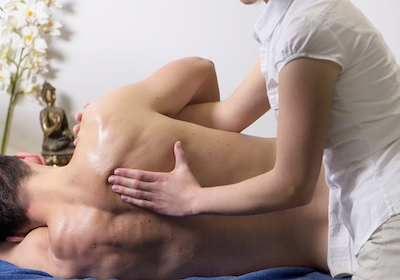
It is relatively common to feel some muscle soreness after soft tissue treatment, including manual therapy techniques used in osteopathic appointment. Just like a tough workout, massage can create micro-trauma in the muscle itself, which increases blood flow to the area. The positive effect of this is that increased blood flow speeds up healing and clearing of inflammatory substances (swelling). It should only last 24-48 hours after your treatment. massage to the back

Soreness after treatment usually resolves in one to two days.

By this time, you should be experiencing some of the positive effects of treatment, including increased range of motion and freedom of movement. For this reason, we recommend the use of short term self-help strategies to help you get through this pain.

Self-help strategies are similar to what you would normally do for your problem.

exercise can help post-treatment soreness Looking after yourself after treatment is similar to what we would advise for anyone experiencing muscle or joint pain. Therefore using heat packs or a hot shower for muscle soreness can be beneficial. In addition doing your prescribed exercises or going for a gentle walk is a great idea. We recommend being well hydrated prior to and after your appointment. Drinking plenty of fluids, especially water appears to be helpful.

Key points to remember about post-treatment pain:

  • Discomfort is short-lived (24-48 hrs).
  • This can be a normal response.
  • It is directly related to assessment and treatment.
  • The advice from your practitioner will help you relieve it.
Your practitioner cares!

We love to hear from our patients. If you’re feeling a bit sore after your treatment, don’t be afraid to reach out to your practitioner. If you have any concerns or questions about your management, or your symptoms get worse, don’t be afraid to contact us. Certainly give us a call or send us an email. We want to assist you if you are sore post-treatment and get you feeling better as soon as possible following your osteopathy or massage appointment.
Read More
We understand that it is difficult for people to reach out and talk about being lonely. And there is a similar shame or stigma associated with loneliness as there is to smoking. But is that where the similarities end or are there more connections between the two? From years of clinical experience as an Osteopath, (however without any scientific explanation) sometimes I get a sense how loneliness is expressing itself in the physical body. It is a silent drain, an isolated heaviness that somehow appears to leave some type of physical imprint on the tissues. As a practitioner, it is difficult to find the words to express the sensation that I feel under my hands. It is the struggle of juggling a scientific rationale with an intuitive experience to explain how and why I get this “sense” of what is going on with someone. Am I interpreting body language? Is it the tone, pace or some other marker in their speech? Or is it directly some specific feeling to the muscles? Other tissues of the body that is being held and potentially released during treatment? To be honest, these are just musings and I really don’t have an answer.

Addressing loneliness is critical to the health of ourselves, or loved ones and community as a whole

But I do feel that we need to be discussing the physical, social, emotional and societal harm that is quietly taking place in our community. Finding ways to address and support people experiencing isolation or a feeling of disconnection is essential to the health of our family, friends and wider groups we associate with.

What does science say about loneliness?

Researchers are discovering that loneliness may be as bad for our health as smoking 15 cigarettes per day and more harmful than obesity. Isn’t that incredible! And frightening. In addition, it may increase our chance of getting sick, reduce our rate of recovery once we are ill. It multiplies our chances of serious health conditions such as heart disease, alzheimer’s disease and stroke. It’s well known that there is a direct link with depression and may lead to an early death.

Has it always been this way, or is it on the rise?

The research indicates that loneliness has doubled since the 1980’s! Younger people are experiencing it at significantly increasing rates and experiencing poorer health because of it. Older people, especially the elderly are also high risk. With increasing age, your oldest friends, siblings and other associates are more likely to move, get sick or pass away. Younger family members are busy and maybe don’t recognise what is happening.

Why is loneliness becoming an increasing issue?

Could it be that the rise of social media, such as facebook, that should be increasing our participation and social circles may be part of the picture? While we connect digitally , we are reduce our time spent face to face with people we care about. We may have an insight into the lives of many more people, by following, liking or sharing. This does not equal an increasing of deep bonds, emotional connection and depth of trust. We are less likely to directly interface with people in our own community. It is worth asking yourself, do I know my neighbours (including their names)? Can you knock on their door and confidently ask for a cup of flour? Share a cup of tea? Would they be willing to feed the cat if I need to go away for work? Do I wave happily when you crossing paths? Do I deliberately avoid eye contact, eliminating chit chat due to feeling time poor? Increasing work demands, chronic sleep deprivation, not spending enough time with people you care about contribute. A lack of “me time” is also associated with increasing loneliness.
Can you be lonely and have lots of social contact?

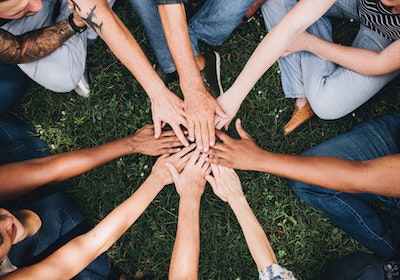
Yes, not everyone experiencing it is socially isolated, a hermit or avoiding contact with others. It has been estimated up to half of middle aged people are experiencing some it in some form or another. People report feeling like no one understands them, not having close friends or people they trust. These feelings are signs of loneliness.

How to feel less lonely

While it may sound like a push to start with, deliberately and consciously increasing your face to face social contact is worthwhile. Making the effort to spend time with people you love and sharing personal information and actively engaging in and listening to them are important steps in reconnecting. If you are new to an area, or your nearest and dearest live far away, joining community groups, sporting or hobby based activities are great options. Anything where people meet about something you are interested in is a great place to start. Social media tends to portray the positive aspect of peoples lives and is often not a true representation of daily life. Focusing on how great other peoples lives appear online can deepen the feelings of isolation.
Self care

Focusing on getting enough exercise, getting ample sleep, spending time with friends and family and working an appropriate amount can all help to combat the issue.

Don’t be afraid to speak out

One of the great privileges of being an Osteopath is sharing and listening to some of the most intimate aspects to peoples lives. Chatting about your experiences is a way to ease the burden and lighten the load. Most people experiencing loneliness don’t have a psychological disorder. If your health is being significantly affected, we may support you to seek further assistance from the incredible health professionals within our network. Alternatively you can speak anonymously and confidentially to lifeline.
Read More

We understand it can be difficult to get great information about avoiding getting coughs and colds during Winter. It is important we reduce the spread on inaccurate information and bust the myths about getting ill. Want to prevent the transmission of influenza and other viruses this season, learn some useful tips from our experienced Osteopaths to naturally prevent getting sick.

It was -3 degrees one morning this week, which was a hard day to get out of bed, however being cold does not lead to getting a cold. In fact, cold exposure is thought to have some special health benefits. Don’t be afraid of the extreme weather temperatures in relation to your health and wellbeing. Influenza typically peaks in May, however the season does extend through for a few months yet.At this time of year, we do see a spike in people with viral based illness, including regular coughs and colds, but they can occur at any time.

Some basic keys to avoid getting sick is to remember the following.

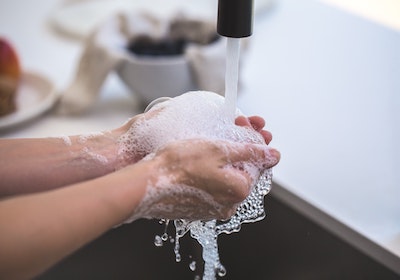
1. WASH YOUR HANDS

Every time you touch your face, touch others, use the bathroom and prior to eating.

Some viruses can live on various surfaces for long periods of time.

So if someone has sneezed and touched something in your environment, this can be a way for you to pick it up.

You can just use regular soap.

In addition you can use hand sanitiser.

However due to other potential health concerns related to their use, we recommend only using these when you are unable to wash your hands using the advice below.

KEYS TO BEST HAND WASHING PRACTICE

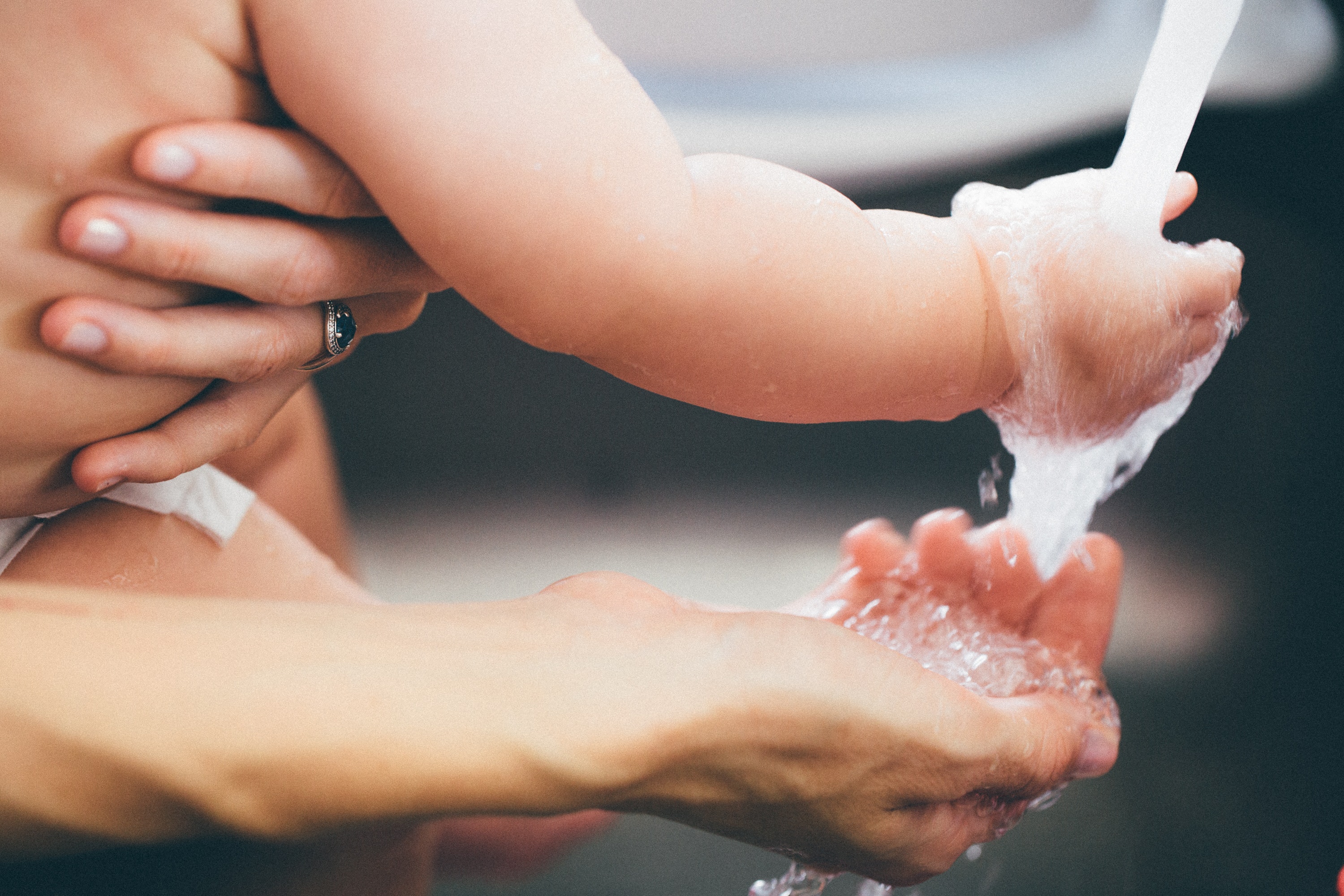
A) Wet your hands with clean, running water (warm or cold), turn off tap and apply soap

B) Lather hands by rubbing together

C) Scrub hands for minimum 20 seconds

D) Rinse under clean running water

E) Dry hands using clean towel or air dry

COMMON FAILINGS TO HAND WASHING

– Not rinsing hands properly

– Not lathering soap

– Failing to wash thumbs

– Not drying hands (bugs can then continue to grow on them)

– Not washing them long enough

2. COUGH INTO YOUR ELBOW or UNDER ARM

This can be a simple way to stop yourself spreading any potential infection to others by not directly coughing into your hands, then touching your phone / computer etc.

3. STAY HYDRATED

Your immune system doesn’t function as well as when you are even mildly dehydrated.

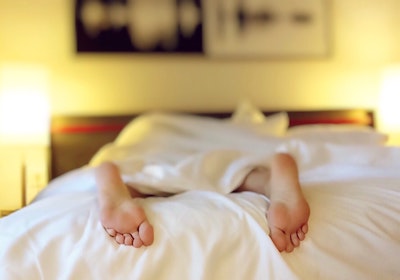
4. GET ENOUGH SLEEP

Sleep is a time for our body to recover properly and recharge the battery.

If we are run down, we are more likely to catch what ever is going around.

Adults require an average of 7-9 hours per night in order to function optimally.

School ages children need even more, between 9-12 hours in order to grow, maintain a strong immune system and be able to concentrate consistently.

Older adults (over 65 yrs) require less sleep, with only 6-8 hours needed to feel fresh in the morning.

5. MANAGE STRESS

Constant high stress is a significant drain on our reserves and increases our likelihood of getting ill.

6. EAT THE RAINBOW

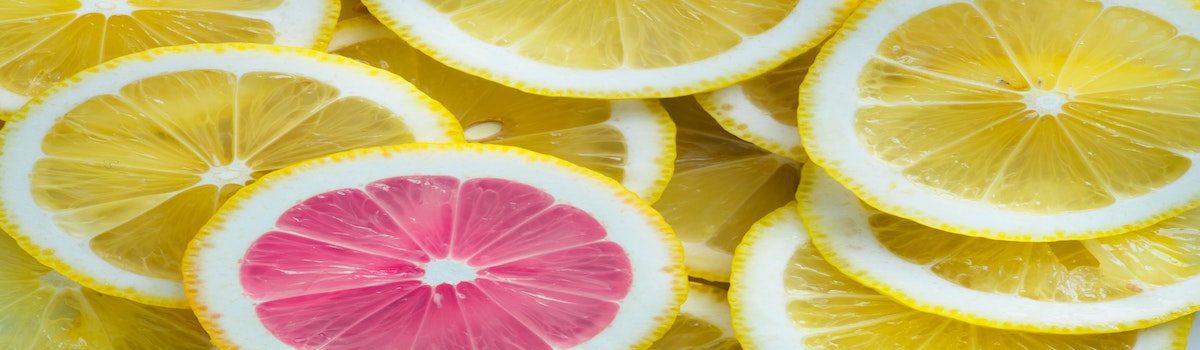
Eating foods, especially foods and vegetables of different colours contain different antioxidants, which help to fight off different bugs we come into contact with.

7. AVOID CIGARETTE SMOKE

Smoke dries out the passages of your nose and makes it harder for your nose and lungs to sweep away infections.

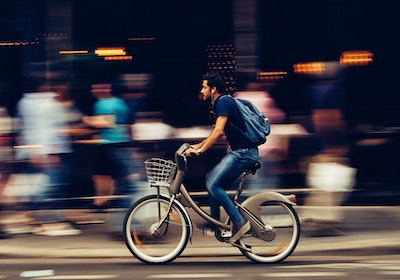
8. GET YOUR HEART PUMPING

Aerobic (cardiovascular) exercise, such as jogging, bike riding or swimming gets your blood moving around your body.

This helps to increase your body’s natural virus killing cells, so you eliminate anything you come into contact with faster

Maintaining a regular exercise routine is known to be one of the biggest immune boosters, while having lots of other positive effects.

These include improvements to your fitness, mood, heart and lung function, muscular strength and stamina and blood flow.

9. STAY HOME IF YOU ARE SICK

Unfortunately prevention didn’t work for you at this time, however you can reduce the rate of transmission to others around you. So far 36 people have died in Victoria this season due to influenza. Staying home while unwell may be inconvenient, however those around you will appreciate you not sharing your bugs with them.

This must be one of the most unpopular pieces of advice we give, but it is REALLY important!!!

Lemon and honey drinks (we recommend manuka) can be a fantastic cough suppressant, gargling salty water can be useful as can zinc supplementation.

We hope you stay well over the Winter season. If you need any assistance or support, even if it is just for some basic advice, feel free to give our Osteopaths a call to discuss boosting your health and reducing risk of catching coughs and colds this season.

Read More

Medicare funds Osteopathy treatment (in some circumstances)

Great news, Medicare does fund osteopathy treatment in some circumstances, this means there is a rebate. This program is referred to as the Chronic Disease Management Plan (CDMP).

Osteopathy is a vital treatment option to assist with pain management, improving movement, assisting balance and physical strengthening. People experiencing conditions including fibromyalgia, chronic pain, osteoporosis and arthritis (and many more) come for an appointment.

It should be really easy to get a medicare rebate for osteopathic treatment, but unfortunately this is not the case.

We are going to outline the medicare payment process for you a little more, so you can be well informed and get the support you need.

There are strict criteria

First and foremost, your current health is taken into consideration. Your condition needs to satisfy certain criteria. It’s great that there is government Medicare initiative, however patients must have a chronic condition in order to qualify.

This means the problem must be at least 3 month old

In addition, this problem that is being managed is unlikely to fully resolve in the near future or on its’ own.

Referral required

Your GP must write you a referral to undergo osteopathic treatment via this program.

This essentially states the osteopathic referral is medically beneficial.

The referral is not only to the osteopath, a second referral for another health professional is necessary.

This may be to a specialist or another allied health care practitioner.

If you are a private patient, you do not require a referral to see an Osteopath.

Correct provider

osteopath-medicare

Treatment must be performed by the clinic to where the referral letter is written.

You can not get a referral and later decide to change clinics.

In these circumstances, you would need to go back to the doctor first and amend the referral.

For example, you see an Osteopath at another clinic with a care plan.Due to a change of circumstances, you decide to come to Koru.

As a result, in this instance, you would need to contact your doctors clinic and ask them to change the referral before an appointment.

Osteopaths provide treatment under Medicare

The good news here is, all Osteopaths are Medicare providers and we are able to see you.

If your doctor refers for x number of appointments with one provider and x for another. Unfortunately you can not decide you want this changed on your own.

Let us provide an example for you.

Your doctor allocates you 3 osteopathic appointments and 2 podiatry appointments. You decide you only need 1 podiatry appointment.Additional treatment sessions can not automatically be allocated to the osteopath.Therefore in this situation, you will need to discuss this with your doctor.

Unfortunately we are unable to do this on your behalf.

Maximum appointment number

The CDMP provides 5 rebatable medicare consultations in total per year.These can be used for a variety of allied health appointments. This includes dietetics, podiatry, speech pathology, osteopathy and many more.

Renewed yearly

Every year, you must review your plan with your doctor. It does not automatically renew. Due to this process, this effectively means you need a new referral on a yearly basis. We are unable to organise or process this for you.

Paperwork

medicare-paperwork

We must receive a copy of your paperwork in order to process the referral.

There is no way around this.

We recommend you bring a paper copy with you to your appointment to avoid disappointment.

Conditions eligible for rebate

Some of the most common complaints people come to see us for under the CDMP program are back pain and headaches.Similarly we also see people experiencing joint pain, arthritis, repetitive strain injuries as well as people with many other conditions.

Payment

We use our on site hicaps machine to quickly and efficiently process your payment and medicare rebate for osteopathy. For this reason and in order for this to occur smoothly, we need you to bring a debit card and medicare card to all appointments.

As of July 2019, the rebate is $53.80, however can be higher if you have reached the medicare safety net.

You pay the full fee upfront and transfer of your rebate is automatic back into your bank account via a debit card.

Consequently, if your card isn’t working, you will need to pay in full and receive the rebate back at a local medicare office.Alternatively you can submit your receipt online.

Unfortunately we are unable to bulk bill osteopathy appointments at our clinic. This means there is a small gap, or out of pocket expense associated with these appointments. The amount varies according to if you have exceeded the medicare safety net.

Summary

To wrap it all together:

  • Yes, you can get a medicare rebate osteopathic treatment.

  • You need a specific referral from your GP (doctor).

  • A rebate of $53.80 (and upwards if you have exceeded the medicare safety net) for up to 5 sessions per year is available.

  • There will always be a small gap fee.

  • We can process your rebate on-the-spot via our HICAPS terminal straight back onto your debit card.

The chronic disease management plan provided by Medicare with a rebate goes a long way towards providing you with high quality osteopathy treatment. Book an appointment.

Read More