Prehabilitation (otherwise known as Prehab)
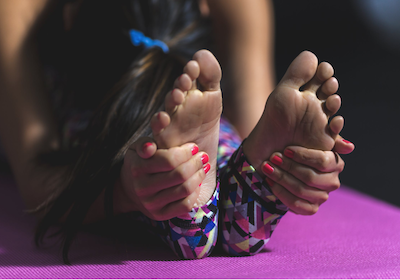
Prehab, or prehabilitation is essentially beginning the rehabilitation process before the surgery OR injury occurs.
In surgical circles it usually means getting into the best cardiovascular, respiratory and muscular conditioning before a major surgery, in order to optimise surgical outcomes. In the more every-day setting, it means getting into the best shape you can, with no biomechanical imbalances, in order to prevent injury from occurring. It can be likened to preparing for a marathon. You want to be in the best shape possible before you start, both physically and mentally.Prehab for Surgery
 It has been shown that increasing cardio, respiratory and muscular fitness prior to having surgery means better outcomes and less chance of complications from the surgery.
Prehabilitation to prevent injury

In non-surgery circumstances, prehab is all about minimising the risk of injury.
This means targeting asymmetries in both range of motion and strength across your body. A targeted exercise plan, focusing on your individual weak areas is the best method to go about this. There is equally good evidence for home exercise as there is for supervised exercise. This is as long as the program is tailored for the individual, and there is regular supportive contact. In other words, we are here to guide you and support you when you need it!A mental game
A big part of prehab is preparing mentally for what is ahead.
In surgery, it is empowering to have a recovery plan. You know you’re going to be sore afterwards. However you have a strategy in place to manage this and get you back to full functionality. Preparing mentally to have a positive attitude and to be self-motivated improves outcomes following surgery. This also helps with functional goals.The best time to start is right now
Your prehab plan will be based on your goals.
What functional goals do you have? Perhaps you’d like to be able to get on the floor to play with the kids, or maybe you’d like to be able to carry everything in from the car in one trip! Maybe you’re planning on participating in your first triathlon. Prehab is the best way to prepare for all of these scenarios, while preventing future injuries.Rehabilitation
This is a specifically designed program to help you recover from a specific injury or surgical procedure.
There are different stages people tend to work thru in the process of a rehab program.Improve Motion
The aim is to get you moving, usually as quickly and as comfortably as possible to get your range of motion back.
Improve Balance
Many injuries can be prevented and to avoid unnecessary risk of returning of injury, balance exercises are often included.
Improve Strength
Getting your strength back is an important part of the process. Initially this may be focusing on a specific muscle or group, however should progress onto complex and functional movement patterns.
Co-ordinating all of the above
The goal is to get you more mobile and stronger than your pre-injury or surgical state.
This will help prevent issues from occurring in the future, let’s face it, that is what we all want.
The Recap!
Prehabilitiation (or prehab) is either a preventative program or pre-surgical program. Whereas rehabilitation (or rehab) is for when something has gone wrong. If you need any help with your prehab or rehab program, our Osteopaths are here to assist you.




 Just recently we have partnered with

 Quietly take some time to reflect on the person you are and the person you would like to be. You may use grounding or breathing exercises, yoga, meditation, prayer or any activity that helps you to feel centred, calm and clear. We want to go beyond the noisy internal dialogue of our ego mind into a quieter space where our pure consciousness can unfold.
It is from this place that we open ourselves up to our deepest needs or desires and allow a positive focus point to come into our awareness.
Recently I reflected on being reliable as an important aspect of my being. Sometimes, as I’m human, I don’t achieve this in the way I would like to. This started to show up in running late. According to my own personal value system, when I am late, this translates to not caring enough about the person I am running late to meet for example. In addition, feeling stressed and flustered due to being late is a feeling I would rather prevent.
So my intention was based around reliability and running on time.
Quietly take some time to reflect on the person you are and the person you would like to be. You may use grounding or breathing exercises, yoga, meditation, prayer or any activity that helps you to feel centred, calm and clear. We want to go beyond the noisy internal dialogue of our ego mind into a quieter space where our pure consciousness can unfold.
It is from this place that we open ourselves up to our deepest needs or desires and allow a positive focus point to come into our awareness.
Recently I reflected on being reliable as an important aspect of my being. Sometimes, as I’m human, I don’t achieve this in the way I would like to. This started to show up in running late. According to my own personal value system, when I am late, this translates to not caring enough about the person I am running late to meet for example. In addition, feeling stressed and flustered due to being late is a feeling I would rather prevent.
So my intention was based around reliability and running on time.
 Don’t be tempted to start giving yourself a hard time for not living up to the best version of yourself! This is an opportunity to identify a core value, belief or skill you would like to focus on, pay attention to or nurture.
If you find yourself getting caught up into a negative thought pattern or creating a story about being a bad person (this is an example of shame) or doing a bad thing (this is guilt), this is an opportunity to practice forgiveness. Forgiveness is one of the most powerful self healing tools you can practice.
In addition, judgment can act as a sign to come back to our centre or stillness.
Don’t be tempted to start giving yourself a hard time for not living up to the best version of yourself! This is an opportunity to identify a core value, belief or skill you would like to focus on, pay attention to or nurture.
If you find yourself getting caught up into a negative thought pattern or creating a story about being a bad person (this is an example of shame) or doing a bad thing (this is guilt), this is an opportunity to practice forgiveness. Forgiveness is one of the most powerful self healing tools you can practice.
In addition, judgment can act as a sign to come back to our centre or stillness.
 From a place of restful awareness and with an openness to endless possibilities, release your intention to the universe. You can do this by saying it out loud, saying it in your head (maybe more than once) or write it down.
After you set your intention, let it go and stop thinking about it. Try and remain in your calm and centred state for a period of time to allow it to settle. This may be just for a few breaths or for longer when you have the opportunity.
From a place of restful awareness and with an openness to endless possibilities, release your intention to the universe. You can do this by saying it out loud, saying it in your head (maybe more than once) or write it down.
After you set your intention, let it go and stop thinking about it. Try and remain in your calm and centred state for a period of time to allow it to settle. This may be just for a few breaths or for longer when you have the opportunity.
 We live in a world that can at times values results at all costs over process. There is no need to have a rigid attachment to the intention we have set. The process or balance may unfold in unexpected ways.
Trust that things will work out the way they should, then let go and allow an openness to new opportunity to come your way.
We live in a world that can at times values results at all costs over process. There is no need to have a rigid attachment to the intention we have set. The process or balance may unfold in unexpected ways.
Trust that things will work out the way they should, then let go and allow an openness to new opportunity to come your way.
 Most days I sit comfortably for a few moments, either at the start or the end of doing some light exercise in the early morning, such as stretching or going for a walk. After taking attention to the breath, feel for where the body is in space. Feel sensation thru the whole body and a quietening calm move throughout the whole system.
It can be a nice thing to do outside, but you don’t have to!
When feeling calm and clear, I allow a point of focus to come to my awareness. This may be something physical, such as the feeling of fatigue. From here, an intention around moving with energy or being kind to myself and those around me may be set.
“Today I am energised by the universe and those around me” or “I treat myself and those around me with kindness.”
For some people, using one word as a focus works best, this may simply just be KINDNESS or ENERGISE.
If judgment crept into my intention practice, such as I’m so tired because …. happened yesterday. Then I use a statement such as “I have access to unbound energy, I wholeheartedly love and accept myself and those around me.”
As setting intentions becomes a daily practice in your life, it can literally take 30 seconds and completely change the quality and awareness you bring into your day. Sometimes you may have the same set intentions for a week or even longer and at other times it may change daily. Let us know how you incorporate a daily intention setting session into your life by commenting below, or contacting
Most days I sit comfortably for a few moments, either at the start or the end of doing some light exercise in the early morning, such as stretching or going for a walk. After taking attention to the breath, feel for where the body is in space. Feel sensation thru the whole body and a quietening calm move throughout the whole system.
It can be a nice thing to do outside, but you don’t have to!
When feeling calm and clear, I allow a point of focus to come to my awareness. This may be something physical, such as the feeling of fatigue. From here, an intention around moving with energy or being kind to myself and those around me may be set.
“Today I am energised by the universe and those around me” or “I treat myself and those around me with kindness.”
For some people, using one word as a focus works best, this may simply just be KINDNESS or ENERGISE.
If judgment crept into my intention practice, such as I’m so tired because …. happened yesterday. Then I use a statement such as “I have access to unbound energy, I wholeheartedly love and accept myself and those around me.”
As setting intentions becomes a daily practice in your life, it can literally take 30 seconds and completely change the quality and awareness you bring into your day. Sometimes you may have the same set intentions for a week or even longer and at other times it may change daily. Let us know how you incorporate a daily intention setting session into your life by commenting below, or contacting 
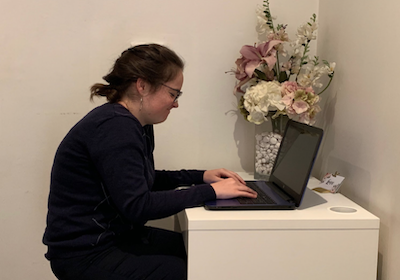 We call this “Upper Crossed” posture. It is quite common in people who work at desks or have to do a lot of work with their arms out in front of them.
Over a period of time, this results in changes to the muscles. The long, over-stretched ones become a bit weaker, and the tight ones that are working too hard become a bit shortened.
We call this “Upper Crossed” posture. It is quite common in people who work at desks or have to do a lot of work with their arms out in front of them.
Over a period of time, this results in changes to the muscles. The long, over-stretched ones become a bit weaker, and the tight ones that are working too hard become a bit shortened.