Fibroboost is a dietary supplement, enriched with antioxidants, polyphenols and phlorotannins derived from the nutritionally rich brown algae Ecklonia Cava.

The health enhancing benefits have been long recognised in Eastern medicine, but is relatively new in the Western world.

Who is this supplement designed for?

It has traditionally been used for joint and muscular function, promoting blood circulating and metabolism, supporting cardiovascular health and healthy brain function.

The research supporting the use of Ecklonia Cava and its patented derviative seanol, which fibroboost contains is evolving.

Great features

This product is vegetarian, non GMO, as well as gluten and soy free.

If you are interested in trying fibroboost, you’re welcome to click here or speak to your health professional to see if it would be a good fit for you.

*Please note, if you choose to purchase fibroboost via the link, as an amazon affiliate, we may receive a small gratuity for qualifying purchases.
Read More
 

Hello, and welcome to this short video on understanding the role and importance of the diaphragm.

Now you’ve probably heard lots of people talking about the importance of the diaphragm, the importance of the breath, but I personally feel like we are only ever touching the tip of the iceberg.

The diaphragm, which is our main respiratory muscle is the centre point and incredible resource we all have to bring our bodies back into a state of balance.

Now, of course, health is the end result of all the organs and systems in our bodies working together.

And it does rely on the integration of all of these systems.

However, understanding the diaphragm really gives you a very accessible point of entry to understanding the dynamic nature of health.

breath in

So let’s dive in.

I don’t want to bore you with too much anatomy.

However, this is really to help you visualize the diaphragm in action, as well as clarifying a few myths around it.

So the diaphragm is a dome-shaped muscle.

So if you were to cut a basketball in half and place it in your body, that’s what your diaphragm would look like.

It attaches to the front, the sides, and to the back of the ribcage, of the skeletal bony thoracic cage.

Now it’s a muscle, which means it contracts and softens. It’s a dynamic muscle.

As you breathe in, it contracts, it broadens and flattens.

And as you breathe out, it recoils and becomes a dome again.

So it’s really at its maximal point of tension at the end of the inhale when all the muscle fibers are contracted and tight.

Now, why is this important?

It’s important because I want you to visualize it almost like a jellyfish that flattens and then redomes or recoils flattens and redomes.

The second thing I want you to visualize is actually that the diaphragm is located at the top of the abdominal cavity and at the bottom of the thoracic cavity.

So it divides this whole space into two separate cavities, and we call these “cavities” just because there are empty spaces that we fill with organs.

So what this also means is that there’s constantly a difference in how much pressure there is in the thoracic and abdominal cavity, because of the dynamic nature of the diaphragm.

And understanding pressure is key to understanding the mechanics of breathing.

breathing

Now, there’s a common myth that when you breathe in, it’s the air that you breathe in that pushes the diaphragm down.

Well, it’s not.

The diaphragm contracts first and flattens, increasing the abdominal pressure, and only then, because there’s a difference in pressure in the thoracic and abdominal cavity, only then do you get air that comes into the nostrils and into the lungs.

So I hope I haven’t lost you.

This video was just to get you started on understanding the mechanics of breathing, understanding the diaphragm’s vital role in whole-body health, and crushing some myths around breathing and the diaphragm.

So next time we’ll cover how exactly the diaphragm affects the different organs, what inefficient breathing patterns might look like and what we can do about it.

So until next time, take care.

Read More

Want to get some low back and hip mobility and exercise, but not sure where to start?

Get moving with Osteopath, Dr. Prue Eddie and she will carefully take you through the movements.

As always, listen to your own body.  There is no need to rush or push your body in a way that feels insecure, unstable, or unsafe.

If you are feeling pain or something just doesn’t feel right, do not hesitate to slow down or stop what you are doing.

It is an opportunity to trust in the power and knowledge of your own body and to feel into your own tension.

You may just happen to learn about a particular motion, position or action that is a potential trigger for your own body.

If you identify anything that doesn’t feel supportive for you, make a note of it and discuss it with your practitioner, as this may be helpful information.

Let us know how you went with your low back and hip exercise program, we would love to hear your thoughts.

Read More

RISE AND GRIND!


Taking time to rest and recover can be difficult, as we begin to focus more on our daily grind. It can feel as if we wake up, slave away the day, and go straight back to sleep. Often, we find it hard to make time for ourselves, our busy lives mean we frequently prioritize different tasks that may seem more important than our health.

Time to get off that hamster wheel . . .


Putting energy into work, effort into spending time with your family, and your heart into relationships can often mean we lose a grip on our own self-care and the attention our bodies need.

CAN ANYONE ELSE HEAR THAT CLICK?


A some point in our lives we have neglected our health, but there is always time to turn things around. When we finally focus on ourselves and start listening to our bodies, we may start to hear those cries for help.

Is it a bit more like shouting?


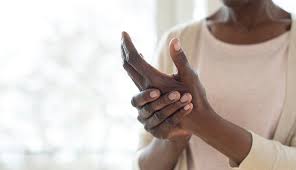
You may notice your body aches a bit more, things have stiffened up, or that you just cannot quite move like you used to. This is something a lot of us notice, but it can happen commonly to our thumbs, with conditions like osteoarthritis.

SO, YOU’VE LOST YOUR GRIP?


Osteoarthritis develops gradually over time, months, or even years as the cartilage in our joints gradually thins. This decrease prevents the joint from moving fluidly, causing pain, stiffness, swelling, and inflammation.

1 in 11 Australians have Osteoarthritis, which recently became the leading cause for hip and knee replacements.


Osteoarthritis of the thumb can also be caused by a history of repetitive strain injuries or trauma to the thumb. Many people experience a clicking noise, a grinding sensation, or even a loss of grip strength.

IT’S TIME TO GET A GRIP


The degeneration of joints occurs naturally as we age, and there is currently no cure for osteoarthritis. However, conservative treatment can help prevent further joint deterioration, reduce pain levels, and help you manage the symptoms of thumb osteoarthritis. In severe cases, you may find that you have trouble with daily activities such as gripping door handles or opening jars.

Go on, open that door!


Hands-on treatments can help with mobilizing your thumb joints and releasing tension from surrounding tight tissues. A practitioner may even treat the swelling around the joint by utilizing techniques that promote fluid flow and drainage. This can provide symptomatic relief and help improve the outcome of osteoarthritis while maintaining your independence.

NOW OPEN ALL THE DOORS!


The best thing for the osteoarthritis in your thumb is to keep your thumb moving, as maintaining your thumb’s motion is the key to managing your condition. With a treatment and management plan in place, you could expect to see some improvement in 4-6 weeks depending on the severity of your osteoarthritis.

Enhance that grip with 3 easy tips on managing your osteoarthritis:

 
    • Keep the joints warm! Applying heat to your thumb will help prevent those locking sensations.
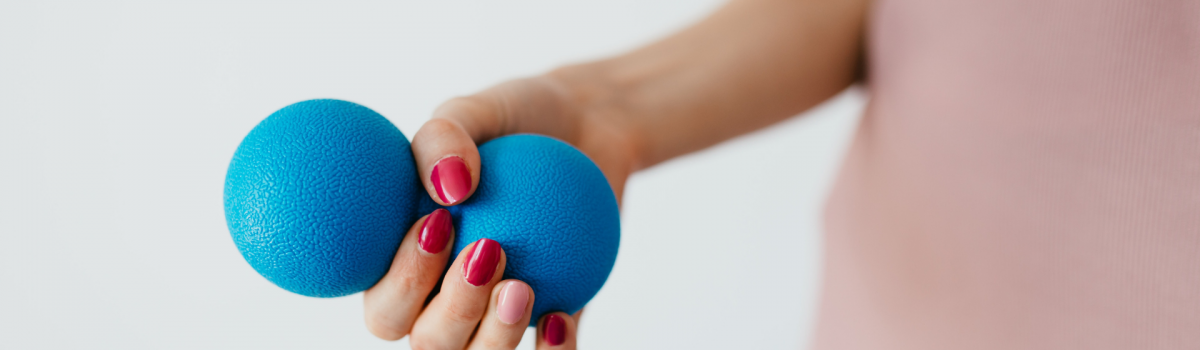
    • Let loose! When you feel the muscles tighten in your hand or forearm self-massaging can help provide relief.
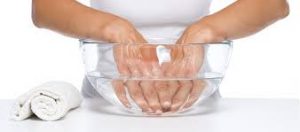
    • Mix things up! If you feel your thumb osteoarthritis has flared up, dissolve some Epsom salts in warm water to soothe the tissues.
 

STRENGTHEN YOUR GRIP!


Long-term management is an important part of your care. Osteoarthritis of the thumb can have a high impact on the quality of your life, as some of implications have a debilitating change. Maintaining your ability to complete daily tasks can help prevent the mental side effects of osteoarthritis and preserve your independence.

A thumbs down to osteoarthritis, but a thumbs up to you making a change.


Although you may have lost the ability to hitchhike, we are here to assist you on your healthcare journey and can help get you to where you need to go.

Read More