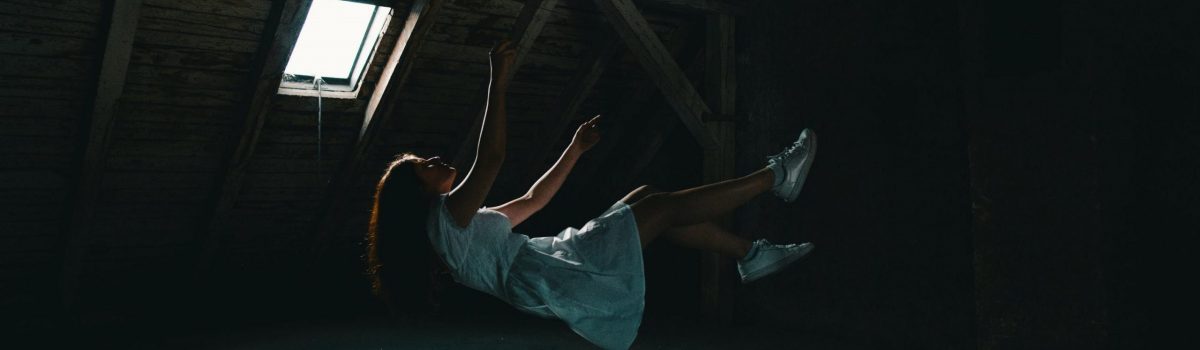
It never ceases to amaze me, how often we see trends in clinic, it could be particular sport-related injuries (snowboarding induced coccyx injuries in winter, netball knees in Spring), well at the moment we are seeing a lot of falls.  

This led to a bad joke of “are you falling for me?”

I’ve got a working theory, it’s called COVID-19 induced falls.

What is a COVID-19 induced fall?

  covid19 falling

No, you don’t have to have the infection, in order to catch the falling bug.  

Potential risk factors to catching a fall (we know it’s not infectious, but given the number of people we are seeing at Koru, it’s bordering on contagious).

  • Stress-induced distraction
  • Changes to routine
  • Doing odd jobs you normally never get around to while spending more time at home
  • Not replacing shoes from avoiding the shops (ordering online really isn’t the same)
  • Increased alcohol consumption
  • Tripping over all those pets you accumulated in lockdown
  • Children constantly under your feet
  • Wanting to be like Dan Andrews (we hope not)

Well, I’m just like many of you, I had a fall recently too and thought I’d tell you about it, so you can learn from my situation.

Prue’s fall

It all happened so fast, I was running late for a zoom call after treating my morning list of patients.  

In the office, I have 2 chairs on wheels, a saddle stool with back support and a flat backless option.  

Well, I had been using the saddle stool all morning and in a rush and without looking, just popped myself on the chair, only to slide off the back and land directly on my backside on the hard floor.

At that moment, the first thing that happened was that I felt my face flush and go a little red in the cheeks, in fact, I started sweating in an instant and looked around to see if anyone saw me.

Has this ever happened to you?

My ego felt a little more bruised than my backside and it turned out I hadn’t turned on my camera yet, so no one saw me.

Breathe in a big sigh of relief now!  

breath in

I slowly peeled myself off the floor, brushed myself off and got myself into a comfortable position and pretended nothing had happened, and got on with the meeting, with a slight throbbing going down into the hip.

A couple of hours later, the pain started to set in and the limp became a little more obvious.  

Realizing I hadn’t quite gotten away with it, after all, I rubbed in some arnica, did some light movement and stretches, popped on a heat pack, and managed to get myself in with one of our Osteos later in the day.

Not everyone is so lucky to be able to get in for a treatment quite as quickly, but the early intervention approach definitely got me moving easier, faster.

After a second treatment only a few days later, I felt almost 100%.  But I knew a little more work needed to be done, not only to be out of pain but also to prevent this from happening again.

Is the pain emotional or physical (or both)?

pain emotional or physical

One of the questions you may notice we ask if you come in for an appointment, isn’t so much “why did this happen?” but rather, “why is this happening now?” (or a version of it).

It never ceases to amaze me how often people think accidents happen out of the blue, or there is nothing you can do about it.

And there can be a lack of recognition of how you feel in the moment, (ie. being embarrassed, emotional or exhausted) has a bearing on how well you recover from injury.

Let me explain a little more, using my fall as an example.

I was running late, distracted and experiencing a low-grade level of stress, and a little more tired than I would like to be on a Friday.  Then I unexpectedly fell over and it was completely preventable and entirely my own doing.

Then I pretended that I was completely fine and sucked it up in order to do the meeting, ignoring how I felt in the moment in order to do what had to be done.

Any of this sounding familiar?

Not only did the preceding events and feelings predispose me to having my small fall, it immediately impacted how I responded to the fall itself.

Then it stopped me from taking immediate action to take better care of myself at that moment.

My emotional state impacted my behaviour.

What we know about pain is that it is a subjective experience.  

In fact, there is lots about pain that science doesn’t entirely understand at this point in time.

But one we know for sure is, how we feel emotionally impacts our physical pain levels.

If you’re not feeling good in yourself, you have a higher chance of experiencing more pain for longer periods of time and in turn, have a slower recovery.

Recognising how we feel, physically and emotionally is key for better recovery, decision making, injury prevention and generally feeling strong, stable, and secure.

how we feel, physically and emotionally

Not only is it worth checking in with yourself, “how do I feel?”, but understanding there can be an emotional element to the pain and discomfort that we are experiencing, even when the symptoms are physical.

So don’t be put off if we sometimes ask you some slightly different questions that you may not expect at your next appointment.   

At Koru, we are just trying to uncover what’s happening for you, so we can make a better and more complete plan on how to help you get the results you’re after and even more importantly, stop you from falling for us!

Read More

Quick question, does fear hold you back from……

  • Doing things you want to do
  • Achieving your goals
  • Getting a good nights sleep
  • Affect your happiness
  • Or how about just keep you in a state of perpetual anxiety

Maybe you think to yourself, I’m not really scared of anything, or I have …. Fear, but it’s not really holding me back.

I want to ask you, isn’t it?

Now just to be clear, a little dose of fear can be healthy, self-protective even stops you from making terrible decisions, or at least may make you think about it for a second.

But what about irrational fears.

Now let me ask you?

What do images of sharks bring up for you?

Does your mind immediately conjure up images of jaws, with full da da sound effects, big teeth, thrashing water scenes, and high-pitched screams?

fear of shark

Maybe you think of loan sharks – let’s be honest, they are bad news and you should definitely stay away from them.

Or maybe you just try and get those bad images of Greg norman’s 65-year-old beach bod photos out of your mind, definitely cringeworthy if you ask me.

Could almost be terrifying in fact.

Now you may be wondering why we are talking about this.

Not that long ago, on a dark and starry night, I looked towards the ocean from the back of a boat and watched while circling sharks chased fish around the back of the boat.

I did this, while frustratingly and awkwardly getting stuck while fighting with my already wet wetsuit.

Increasingly, my heart rate started to rise, the hair was standing up on the back of my neck, my shoulders were tense, I felt constricted and my breathing was getting fast.

But I knew this was my chance, to dive with sharks on the great barrier reef and I wasn’t going to let this opportunity slip me by.

I was also not going to let my husband remind me for the next 20 years that I didn’t get in when I could have gone diving with sharks, at night.

That moment, right before jumping into the black, choppy water, with small amounts of sea spray hitting my face, I reminded myself that I wanted this, I dreamt of this moment and I wasn’t going to let fear get in my way.

My torch provided a small, narrow, but powerful beam of light, which meant I could see a few metres ahead of me at a time.  I stayed close to the dive instructor and kept a close eye on my husband and my dive computer that tells me my depth, amount of air left in my tank, and my breathing rate amongst other things.

Fair to say, I was using up my air 50% faster than I usually would.

After a few minutes, I was noticing the fish, coral, and a sleeping turtle more than my own anxiety.

ocean-creatures

Only a minute or so later, I saw a 1.5m shark only a few meters away, and rather than being scared, I was so happy.

There is nothing quite like seeing animals in their natural environment, it gives me such a thrill.

Over the next 30 minutes, we saw a couple of different types of sharks, white tips and grey reef sharks, nothing particularly dangerous or known to attack humans.

The reality is, even if there had been, the risks of diving, of which there are many, are inherently more dangerous than any shark I was ever going to encounter.

While I’m not 100% sure of the exact stats, you’re far more likely to die in from choking on food,  falling over, getting stung by a bee, and possibly getting struck by lightning, than it is to get attacked or eaten by a shark.

But I don’t know about you, but I don’t tend to worry about any of these on a day-to-day basis.

So often, our minds get in our own way.

Our brains, as incredible as they are, don’t know how to perceive risk accurately.

Now, what do you worry about?

Maybe think about day-to-day things, what someone said to you from work, what people think about you, something silly or embarrassing you did today.

Now, will you still be worried about this thing 6 months from now?

If not, let it go.

If it doesn’t have the capacity to dramatically change the course of your life, let it go, it’s not worth it.

Now, what can facing our fears do?

face your fear

Well for me, after diving with sharks, I felt like an adventurer, a real sense of achievement, the feeling of internal power that means I can achieve anything.

And then within days of coming back from holiday, I was facing a new challenge, a covid lockdown.

For me this means quick decisions about how to operate the clinic, fears about the welfare of our team, our patients, how do we keep people safe and healthy and not become the next covid hotspot, what about financial implications and budgeting.

These are genuine concerns and many of you are facing similar worries and fears, such as;

What will lockdown mean for my family?  How is my children’s education being affected by homeschool?  Is my job at risk?  How will I pay the bills?  Will I know if I’m not okay?  What do I do if I start to feel sick or in pain?  How do I care for vulnerable friends and family members who don’t live with me.

Firstly thinking back on when you faced a fear and felt a sense of achievement can help you build your confidence and resilience.

This can help buffer the effects of stress and burnout.

Then try to just limit yourself to one stress, fear, or worry at a time.

Break it down.

break it down

Know what is within your limits, or ability to control or influence.

There are lots of things outside of our control.  Try not to worry yourself about those, why, you can’t change it.

It’s just draining your energy and emotional reserves.

Focusing on what you can do to improve your situation or finding ways to feel a sense of accomplishment in times like these can be valuable.

It doesn’t have to be big or out of the ordinary.

This could include so many different possibilities.

Maybe you will feel like you are facing your fears and taking proactive action by reviewing your bank account and your budget.

Or maybe you can face your fears about your vulnerable family members by checking in with them more regularly, this could be a phone call, sending a food parcel, or writing a nice card to let them know you care.

Or maybe you can alleviate yourself from the stress of forced homeschooling by looking at the stats of planned homeschooling.   Did you know lots of kids can keep up with the core curriculum of school by doing only an hour of educational study per day?

Isn’t that amazing!

Diving with sharks reminded me on focusing on what really matters and making proactive choices to lead me closer to my goals while reminding me that often fears, worry, or stress are just not all that necessary most of the time.

Take a moment to recognise a fear, big or small, and take one step or action to help remedy or face your fears and you may just feel a little bit better about it.

If you think this video is helpful, please don’t hesitate to share it with a friend.

Read More

READ ON, THIS BLOG POST IS FOR YOU!!!

Pain can be a very confusing experience, especially when you cannot figure out why or when it came on. A helpful tip is to look at what your body does for a majority of the day.

BUT I JUST SIT AT MY DESK? I HAVEN’T DONE ANYTHING!

It can be frustrating, but our pain does not only appear from injury or major accidents. It can come from us simply doing nothing. Aches and stiffness are commonly caused by our bodies constantly being held in one position, and this can lead to pain. Although you haven’t experienced any try of trauma, your body enjoys moving more than we get to while sitting at our desks.

I CAN’T ESCAPE MY DESK THOUGH!

You need to be at your desk, yes, but there are ways we can keep those aches and pains at bay, and a little bit of prevention can do wonders for your body. Setting up your desk to suit your body will make a world of difference, in addition to moving throughout the day.

WHAT CAN YOU DO?

To get you started setting your desk up, start with your chair. Make sure that when you sit down, your knees are at a right angle as a minimum, this will help keep your knees between the 90–120-degree range.

The next step may be a bit trickier, as your head, neck, shoulders, and pelvis should all run in the same line. Maintaining this line may mean you need to focus more on your posture by rolling your shoulders back, adjusting how far away your keyboard is away from you or adjusting the height of your computer monitor.

BUT I HAVE A LAPTOP? MY MONITOR AND KEYBOARD ARE NOT PLAYING FAIR!

Many people struggle with this, a laptop does make things more difficult but try elevating your laptop on an angled holder. The best thing for your desk set up is to have a separate monitor with the top aligning at eye height, but this is almost impossible to achieve with laptops.

SO HOW DO YOU GET AROUND IT?

Start a new habit, when you can feel the ache come on from looking down, this is your little reminder to get moving. General movement will help but having stretches specific to your aches and pains is best. Try craning your head backward and then looking from left to right to get things moving again.

WHAT ELSE CAN I DO WHILE AT MY DESK?

desk work

There are tons of quick and easy stretches you can do to keep everything moving without having to leave your desk! We would love to show you some, check out our Instagram page or contact our team for the link to our 6 favourite stretches for desk workers

HOW DO I GET MORE INFORMATION ON MY DESK SET UP AND STRETCHES?

The team here at Koru have a lot of experience with ergonomics, desk setups, and the treatment and management of patients with desk work related pain. Booking in to see one of the Osteopaths can provide you with an ergonomic assessment, a management plan with stretching and exercises tailored to your work and presentation. They will also provide support, and of course, some treatment for your current issue.

Read More

Feeling flat or a little under the weather?

Or maybe you’re waking up and not jumping out of bed in the morning.

Is there a simple, easy solution to finding our mojo and getting a little refreshed and recharged in the process?

You may be wondering if you need a detox, a retreat, a special diet?

What if there was something better?

While there is no magic bullet, there is a simple trick that I find helps nearly everyone and it involves asking yourself the following question.

Do you have something to look forward to?

to look forward

It’s a simple yes or no question.

If the answer is no, then the simple solution is to make having something to look forward to a priority.

Seriously, pick something and then commit to making it happen.

Now it doesn’t have to be fancy, cost a lot of money, or take a lot of time.

But what I do recommend is make it meaningful, memorable, or even a little bit magical.

It could be:

  • Setting aside the time to catch up with a long lost friend
  • Try making a new recipe and share it with your partner
  • Book yourself into a class or activity you have been wishing you could go to
  • Plan a holiday (even if it only involves dreaming at this stage, or could be one night staying with family, camping, or something more)
  • Set aside 30 minutes for your self-care activity that nurtures your soul (stretching, meditation, taking yourself out for a coffee)

The key thing is, it has to excite you or make you feel warm and fuzzy inside. 

It should feel fun, relaxing, enjoyable, and not stressful or exhausting.

So the first step is pick one thing!

Step two is make it a priority.

Step three is put it in the diary.

Step four is avoid the temptation to cancel as life gets busy leading up to it.

Step five is enjoy the moment when it arrives.

Step six is pick your next personal power plan.

And start all over again.

This will keep life interesting, inspiring and stop you from falling into the sweat and grind of groundhog day over and over again.

If you need some inspiration, check out some more ideas below and remember that not everything is for everyone, it just has to sound fabulous for you.

Download Personal Power Planner

How to use

Step one – pick everything in column one that sounds like something you would like to do

Step two – pick one thing you can do today for a quick pick me up

Step three – pick one thing you can do this week that feels refreshing

Step four – pick something you can keep up cyclically (either each day, week, or month) to keep the momentum going

Step five – pick something bigger that you can plan to do in the future (think 3-6 months from now, this may need a little more planning – but believe it or not, this is where lots of the enjoyment is had)

Remember don’t pick everything, then get disappointed if you don’t manage to get them all done.

Filling your diary with more and more things to do is likely to make you more frazzled and less energised, so we have to maintain a balance.

Read More