When you’re in pain, you just want to feel better right? Not only is it uncomfortable but it impacts your functionality.

You can’t do the things you want to do. So when you go see someone like an osteopath for help, your hope is that they can put their hands on you and relieve your pain.

What a lot of people don’t expect, is that the at home management is just as important as the hands on treatment.

For this reason it’s likely you will be given exercises and stretches to help your recovery.

So when you’re feeling better you can do away with these exercises right? Well, maybe not.

What are you doing daily?

Most people spend up to and above 8 hours a day at work.

No matter what your job entails, there are certain activities, postures and prolonged periods of time doing the same thing every day.
Is your job causing you pain?

Maybe you have to sit or stand at the same work station, or drive for long periods.

You could have repetitive movements or simply be on your feet for 8 hours. Accumulate this amount of time over the course of a week, then a month, then however many years.

It’s then easy to see that half an hour with an osteopath may not completely fix your condition for good.

The very next day you go back to 8 hours of the same thing that likely contributed to your condition.

Pain free doesn’t mean risk free

Pain is a warning system designed to keep you safe.

Therefore you can have high pain levels with low tissue damage and you can be pain free but still in the process of healing.

Now that’s not to say that lowering pain levels aren’t a good indication that you are in fact healing, because it absolutely is.

But pain is not our only indicator of healing. We also need to assess mobility, flexibility, strength, weaknesses and tension.

We need to address all these facets in order to efficiently heal an injury.

We also want to reduce the risk of further injury.

1 in 5 people who sprain their ankle will do so again within the next 12 months.
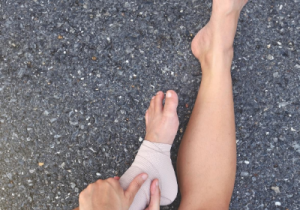
Sprained ankle

So really just being pain free is not our ultimate goal.

Our ultimate goal is to be stronger, more mobile and more flexible than we were before the injury.

This gives us the best chance at preventing re-injury.

Do you have a recurring niggle?

You might have a chronic condition, or maybe you have a little niggle that every so often becomes a terrible pain.

Maintenance treatments for recurring conditions are helpful to prevent acute flare ups.

In between these, you need to know how to manage your condition at home for the long run.

Ask your osteo as many questions as possible. Ask them to educate you on what’s really going on in your body.

What anatomy is affected, what’s causing the pain?

They can teach you what you can do at home and changes you can make at work.

There will be some exercises and stretches that become part of your daily norm.

Then there will be specific instructions for managing the pain when it becomes aggravated.


So, why would you continue doing your prescribed exercises even after your feeling better?

  • Whatever you’re doing at work is going to contribute to your aches and pains. 8 hours a day of anything will require more than one half an hour of treatment to counteract.
 
  • Being out of pain is not the only goal. Having good mobility, flexibility and strength are vitally important for preventing re-injury.
 
  • If you have a condition that flares up from time to time, it needs long term management. Being well versed in your own condition will help you to manage when you can’t get to your osteopath.

   
Read More

Living through a global pandemic brings with it a whole plethora of difficulties and the need for adaptation.

If you didn’t have anxiety before COVID-19 then chances are you might be experiencing it for the first time.

So what exactly is anxiety and is it something that we have any control over?

Fight or flight

You’ve likely heard of the term fight or flight. It’s the response of our sympathetic nervous system to stressful or dangerous situations. When the Neanderthal would come face to face with a saber tooth tiger, the sympathetic nervous system would kick into action. Giving the Neanderthal the option to either flee the danger or fight for their life.

So obviously here in Victoria we aren’t facing too many saber tooth tigers on our morning walk. But stress and perceived danger still exist in our modern society. This sympathetic response becomes over active in people with anxiety disorders.

Anxiety Disorders

Having anxiety before a big exam or an important job interview is quite normal for most people. This does not mean you have an anxiety disorder. An anxiety disorder occurs when you are experiencing anxiety disproportionate to the situation at hand. It begins to affect your ability to function in day to day life due to its frequency and intensity.

Is there anything you can do?

Yes.

COVID-19 has had a huge affect on the mental health of many populations.

You may be experiencing more anxiety than you have ever had, or possibly for the first time ever. As someone who has had anxiety longer than I’ve had the words to describe it, I have a rare advantage in this pandemic. I’m going to share with you what years of managing an anxiety disorder has taught me, so that you can start to manage yours also.

Self management

Here are my top 5 management strategies for day to day anxiety during COVID-19, when things feel overwhelming and chaotic, just focus a on these very basic things.

  • Routine: It doesn’t have to be strict. Wake up at a certain time, make your bed, eat, exercise etc.
   
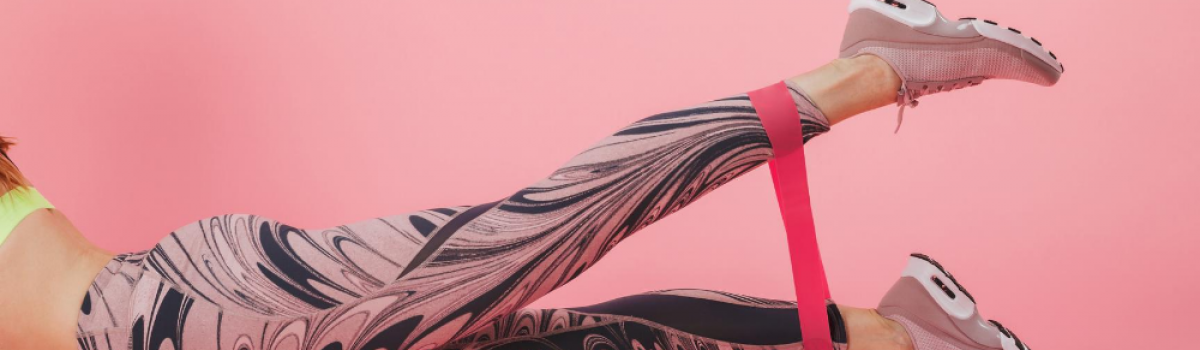
  • Exercise: I cannot explain to you how effective regular exercise is for managing depression and anxiety! The endorphins, the blood circulation, the feeling of accomplishment. Just do it, it works, science says so!
 
  • Breathing: Deep, controlled diaphragmatic breathing. Look up some breathing exercises or speak to your Osteo.
 
  • Sleep: Have good sleep hygiene. Lack of sleep for me is trigger number one for a mental health decline.
 
  • Strategies for panic: These are little management strategies you have up your sleeve for those bad days. As described below.
 

Strategies for panic

Here are a couple little tools you can use to help calm yourself when you feel panic rising.

  • Breath deep into your diaphragm- In for 4 seconds, out for 8 seconds.
 

Keep going until you feel a sense of calm. Once you are calm try in for 5, out for 10.

 
  • 5 senses– Name 5 things you can see, 4 things you can hear,
 

3 things you can feel, 2 things you can smell, 1 thing you can taste.

 
  • On a scale of 1 to 10- 10 being the absolute worst thing that could possibly happen in your life
 

(ie:traumatic death of a loved one) where on this scale would you rate the current situation? It’s likely no where near 10.


This helps you to reduce catastrophising and find calm in perspective.

There is always help out there

Don’t feel as though you have to deal with this on your own.

Just as an osteopath spends years studying musculoskeletal conditions, there are health workers who have spent years studying mental health.

This means that you don’t have to be an expert in everything! You can get help from someone who is.

You can obtain a mental health care plan through your GP. This entitles you to 10 visits with a mental health practitioner where you can receive a rebate through Medicare. It also means your GP can be updated on your progress and become an important part of your health care team.

Further resources

Theres is also a whole range of resources available to us at the click of a button.

Applications:

  • Calm
 
  • Headspace
 
  • Stop Panic & Anxiety Self Help
 
  • Relax & Rest Guided Meditations
 

Websites and Phone Numbers:

  • Beyond Blue
 

https://www.beyondblue.org.au/

Ph: 1300 22 4636

  • Lifeline Australia
 

https://www.lifeline.org.au/

Ph: 13 11 14

  • R U OK?
 

https://www.ruok.org.au/

Read More

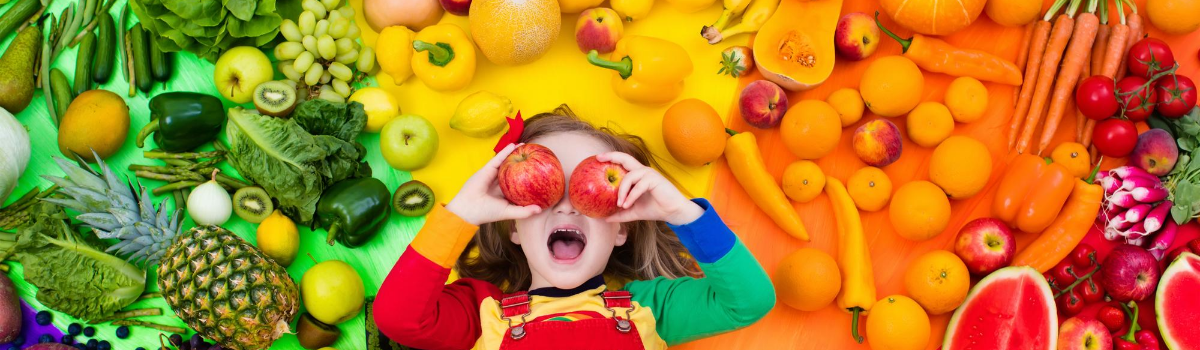
So when we think about nutrition, so often people only think about the food that we eat, which is fair enough. And that’s a really important thing. And I don’t want to minimize that.

And so often people coming to me and see me at the clinic and I ask them about their diet and they’re just like, I just have to eat better.

What does eating better actually mean?

And I’m always sort of, I challenge people to go.

What does that actually mean for you? Because so often people have these ideas about what they’re doing badly that can be bad about the food that they’re putting in their mouth.

emotional eating

And, you know, I believe I’m not the only person that believes is that if you feel bad about what it is that you’re putting into your mouth,chances are, you’re probably not going to get as much nourishment from that food.

Whereas if we can take the time to feel grateful and consider how this food is feeding our internal body, then maybe this is actually going to have a little bit more of a positive impact.

Physical and Emotional Responses to Food

Now, also, too, if you hold this food in your hands and you look at it and you think, gosh, this probably really isn’t feeding me.

So if it’s really heavily processed, for example, it’s like, is this really serving me right now?

Is this nourishing me right now?

And if the answer is no, if you maybe just take that step for just a moment, maybe you’ll choose not to eat it. And maybe you would feel good about that.

Pause and Consciousness

So having a bit of a consciousness around what we eat is helpful. And just having that pause, does this serve me?

Does this make me feel good now? You know, during this COVID time, I just fair to say that my chocolate intake has probably gone up a little bit.

We even have a bit of an emergency stash of chocolate in the clinic.

I just don’t tell anybody that’s just between you and me.

But you know, sometimes, you know, you can have that bit of chocolate and be like, that’s really serving me good things right now.

So I’m not going to feel guilty about that.

Now we’re not going to eat the whole block.

You can just have a piece and you can feel good.

And then maybe it can just give you a little, pick me up and then you can keep going on with your day.

Food Storage and Location can affect nutrition

Now there’s other types of nutrition and things to think about. And some of that can be how our food is stored.

Where does it come from? Where was it grown? And that certainly if I can think of one thing to be grateful for, with the pandemic that comes to me right now is that generally pollution has gone down.

Food is only as healthy as the environment in which it was grown

And so air quality is going to change. Now that’s another type of nutrition. The air that we breathe, water quality, hopefully we’ll be able to change.

Hopefully that might improve a bit.

And so that too is going to affect the nourishment, the of the food that we consume, but also too, for eating more local food.

If it is grown in our regular environment, then that potentially has the capacity to nourish ourselves more as well.

One great example of this is having local honey.

Now, if you want to improve your hay fever, for example, getting that micro amount of pollen in locally produced, honey is one way that’s been shown to help, to minimize probably not going to make it completely go away, but we are coming into hayfever season.

So that might be where you can minimize your potential hay fever, triggers, or response.

Oxygen is nutrition for our cells

Now, another way that we might be able to bring the outside in and improve our internal air quality, like I said, air is nutrition and feeds our cells.

Now, you will notice that we’ve got a few more indoor plants at the clinic recently, and that’s because we really wanted to bring the outside in. We hope you like them.

Supercharge your nutrition with light

And you know, the other way that we can get nutrition, but you know what these beautiful things need is light.

We often don’t think of light as nutrition, but many of you will know that we need light on our skin in order to produce vitamin D in our body, which is so important for so many of our physical, metabolic processes in our bodies.

So light is also really important. Now some of you might actually have more time to get a little bit of sunlight during your day.

If you are working from home at the moment.

It might be an opportunity to go sit outside on your lunch break. There are ways that you can increase your sun exposure during the day.

why eating outside is better for you

And particularly in winter, we are more inclined to get a little bit low on vitamin D and this can affect our mood. This can affect our metabolism.

It can affect our bone health, other digestive processes. It affects everybody in so (many ways), musculoskeletal pain, you know, so if we can just get a little more light into our day, preferably sunlight, as opposed to downlights, which we’ve got here.

This can be a great way to enhance your internal nutrition.

So I hope I’ve given you a couple of different things that you can potentially focus on.

And by all means, get in touch with us, leave a comment. And, we’re here for you anytime.

Read More

Fixed or Growth Mindset

What is your self care mindset? Interesting concept, isn’t it?

We often think about mindset as either being a growth mindset or a fixed mindset.

So either you kind of, the cup is half full and there’s more things to learn and, there’s abundance in the world and, there’s always something you can get out of any situation.

Fail forward and make progress

And you can (think about), the concept of maybe like failing forward, you know, is that you’re constantly making progress.

Whereas this idea about a fixed mindset is maybe that, I just want to do things how I did them before, or everything’s been hard.

Maybe I don’t need to change, or maybe just struggle with the idea of moving towards progress or making change.

It’s maybe not that you don’t want to.

So we’d probably all have a few natural tendencies and maybe in some parts of our life, we’re more open to growth and expanding and trying new things.

And maybe in other areas of our life struggle a little bit more.

You can fluctuate between fixed and growth

So I don’t think it’s necessarily fixed that. We’re either all one or the other, but how does that relate into how we care for ourselves?

Now, many people I know, tend to put others in front of caring for themselves.

You know, I see this so often with, particularly with Mum’s, but I also see it with Dad’s too.

And so often it’s like, I’ll put the kids first, the kids need this and that, it’s busy and you get to the end of the day and their it is, no time for me.

Guess i’ll get onto it tomorrow.

Take action today, as tomorrow never arrives

The thing is so often, tomorrow never comes and what can increase our ability to take care of others is so often it’s described as putting your own mask on first.

Put your own mask on first

And that’s kind of a literal mask at the moment during COVID, but I actually made it like on the airplane, put your own mask on first, before you help others.

Because if we’re not taking care of ourselves, our ability to be able to give, to give out our energy and time, our emotional support can start to dwindle.

And so being able to nourish, do things that maybe just make us feel good, not in a selfish, self-absorbed kind of a way, but in a nurturing, caring, supportive kind of way, means that we’re going to be able, to be able to give more, to those we care about and love.

I’m going to ask you to ask yourself, “when was the last time I did something to self care?

“How do I self care?”

Pick one thing you can do today

And maybe in my old school a little bit stuck in my ways, or am I willing to try something new or just do one thing that might support you today?

Tell us what you think if you come up with the one thing that you’re going to do today, pop it below.

We would love to hear from you in the comments. Anyway, look forward to chatting to you soon. Bye for now.

Read More