When you put healthy and wealthy in the same sentence, do you automatically think of other people?

When living on a budget (which is something we could all do) it is important to consider all the essentials.

Sometimes people are tempted to be less healthy in order to save a dollar.

But firstly is that really a good idea and secondly are there ways you can do both?

Over the next few weeks, we are going to review simple ways you can save money, continue making healthy choices and live life with more abundance.

This week’s theme is “what can I save from my garbage bin?

On average about half of our rubbish bins are filled with organic material, mostly food scraps!

That’s right, about 4kg per week for an average household.

Now you may be more or less than that, but what can you eat and save from what you already have?
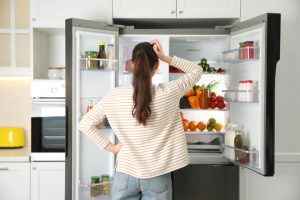
And how can we make it delicious?

We will outline a series of simple steps that you can start today and quickly see a difference to your grocery bill.

1. Audit your waste

Firstly, audit what’s getting thrown out, that could be in the rubbish, the compost, getting washed down the sink or given to the dog.

At first it may be a bit of a shock when you really start to pay attention.

Now think about the bits you usually discard.

2. Plan to Repurpose

Or maybe there are some things going to waste that could be used differently, such as food packaged in oil.

If it makes that delicious, chances are it will be good in salad dressing, for stir fry, a stew or baking.

The end of a zucchini or onion, the carrot/potato peel, pumpkin seeds just to name a few.

Lots of perfectly good vegetable ends and peel can be saved, frozen and used to make stock click here

Pumpkin seeds are highly nutritious and only take a few minutes to make into a healthy snack click here.

Then there’s citrus peel……

This one is a tad contentious as I know I don’t like a big hunk of peel in my hot cross bun (you either love it or you don’t).

But what else can you do with it?

Grate lemon rind into cooking or baking, while orange peel goes well in baking and drinks, or use as a herbal tea.

Then raid the jars and sauces in your fridge and cupboard, what gets left behind could go well into a slow cooked dish, used as a condiment or make a dressing.

What about the random tin of beans or bag of dried lentils or soup mix?

These often can fill out meat dishes (especially mince), use half mince and half lentils in bolognese or tacos & will usually go undetected by fussy eaters.

Save old bread and make croutons (how fancy) or try making bread and butter pudding (this makes me think of my Nana).

Now how can this make you more generous?

It’s quite simple…

3. Save and Give

The more you save, the more you have to give.

This brings up another dilemma, what and who do you give to.

Maybe you don’t have enough (or want to) left over to give money, but maybe you have a meal you can share with a friend or family member you know (or suspect) is doing it tough.

Invite them over for dinner, or pop in and say hi and leave some soup / biscuits etc.
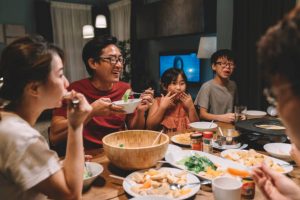
Or if your social circle doesn’t have anyone who springs to mind, there could be an elderly neighbours, a single parent with kids, a young adult who is living out of home with 3 casual jobs to make ends meet.

If you happen to need every meal out of your own cupboard and don’t have any leftovers, share these tips including how much you saved each week / month with a friend.

Sharing your skills and knowledge is generous.

We’d love to hear what you saved from your bin this week.

Seriously, it’s worth celebrating what’s good for you and great for the environment.

Read More

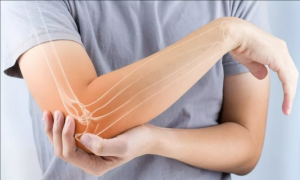
Have you been diagnosed with ‘Tennis Elbow’, but you don’t play tennis?

Are you confused yet?

I know I was at first when I learned about tennis elbow.

What is Tennis Elbow? 

To put it simply, tennis elbow is the most common name given to this condition as it is caused by repetitive movements. It is an overuse injury.

It is the mechanism of hitting a tennis ball that gives rise to its name, and the combination of movement from the hand, wrist to the elbow that leads to this injury.

This condition also goes by a few other names, elbow tendinopathy, lateral epicondylitis, lateral epicondylalgia…boring, right?

I think we can stick to tennis elbow for now.

Who does tennis elbow affect?

Aside from tennis players, which is likely the smaller population of people impacted by this condition…the list is extensive:

  • Tradespeople
  • Kitchen staff,
  • Anyone who uses a computer
  • People who perform heavy lifting
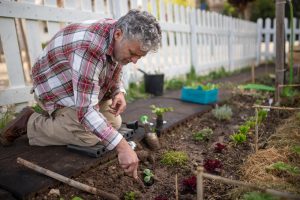
  • Gardeners
  • cleaners
  • People that participate in house related work
  • Anyone who performs repetitive flexion, extension, rotation and deviation of the wrist… which could include nearly any task that requires fine manipulation.

This condition is most common in those aged 30-50. It is usually present in the dominant arm, it is rare to occur in both elbows.

How to help your ‘Tennis Elbow’ at home

If you were to Google, ‘quick fixes for tennis elbow at home’, you may receive an answer something like… “Stop playing tennis until your symptoms subside.”

This is potentially not helpful for a couple of  reasons:

  • Firstly, you likely don’t play tennis…
  • Two, movement is actually helpful in this condition.

What exercises are helpful?

General range of motion exercises, gaining movement into the wrist/elbow in all directions can be beneficial. “Motion is Lotion.”

Wringing/twisting a towel

Research states that resisted isometric exercises have been effective for these types of overuse injuries The exercise involves static contraction of the muscle/s. An example of this type of exercise is as below:

Scrunchy/hair tie exercise

Stretches may also help:

Extension and flexion of the wrist, where tension is felt at the elbow, held for 20-30secs

Flexion Stretch

Extension Stretch

Bracing: 

You may purchase a ‘false insertion brace’

This grips over the tendons at the elbow on the outside, that are impacted by tennis elbow. These attempt to reduce the force or load on the tendons at the elbow attachments.

If the at home help is no longer helping or unsuccessful…

Our team of Osteopaths are ready to help you. A comprehensive osteopathic examination can help tailor the appropriate management to the individual. A number of exercises and stretches have been included in this blog that are likely to be safe to perform at home, however further exercises and a specific rehabilitation approach may provide more benefit depending on the activities you participate in day to day.

The Osteopathic approach may include: 

  • Massage/ soft tissue techniques
  • Dry needling
  • Passive stretching/articulation of the joint and muscles.
  • Rehabilitation program

These approaches will be specific to the individual, and may result in a decrease in pain, fluid movement, encourage the body’s natural healing process

Every procedure/treatment carries risk, it is important that these are discussed with your Osteopath prior to commencing treatment to deem which treatment is most suitable/safe for the individual.

Written By Dr. Schae Harrison (Osteopath)

Read More

Ever wondered what an osteopathic approach to constipation looks like?

If you have ever experienced constipation and been told to “eat more fibre” you are not alone.

While diet is a very important consideration in constipation and shouldn’t be overlooked, just increasing fibre intake often isn’t enough to get the result we are after.

If we want to really address this common digestive issue from a wholistic perspective, it is essential to consider a much wider range of factors, which we will share with you below, but firstly we will explain the role of fibre and why you need two different types in your diet.

FIBRE EXPLAINED

Fibre is a carbohydrate that can not be digested by the body and there are two types, soluble and insoluble fibre.

Both types are important for maintaining health, preventing disease and a properly functioning digestive system.

SOLUBLE FIBRE

Soluble fibre dissolves in water and is commonly found in oats, peas, beans, raspberries, citrus, apples, psyllium, blackberries, barley and carrots just to name a few.

When it moves through the gut, soluble fibre creates a gel that helps stools to move through the intestines.

In addition, soluble fibre assists with:

  • Maintaining healthy blood glucose levels
  • Reducing cholesterol absorption
  • Increases healthy gut bacteria levels

INSOLUBLE FIBRE

Insoluble fibre binds with water in the intestines to bulk the stool and help it move through the digestive tract.

It is commonly found in whole wheat flour, nuts, bran, beans, cauliflower, potatoes, passionfruit, popcorn, sunflower seeds and dried fruits such as apricots, prunes and dates.

Other benefits of insoluble fibre are:

  • Reduces risk of haemorrhoids
  • Lowers your chances of developing diverticulitis
  • May lower your risk of diabetes

If we combine soluble and insoluble fibre, adult men need approximately 30g per day and adult women 25g per day.  Children age 5-10 years need 10-15g per day and kids 10-15 years need 15-20g.

Australian adults are recommended to eat 5 serves of vegetables plus 2 serves of fruit per day.

HOW ABOUT TOO MUCH FIBRE

Yes it is possible to have excessive fibre and for a small number of people, this can in fact be a source of constipation.

This is more likely to occur if you have a diet very high in fruit and vegetables, such as being vegetarian or vegan, but can occur in others.

This is an uncommon cause of constipation, but worth pointing out, especially if you increase your fibre intake and only find the issue gets worse.

HYDRATION

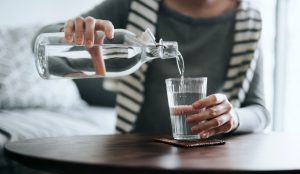
Water intake is very important in preventing constipation.

In the large bowel, we absorb water from the stool as required to help maintain our hydration.

If we are dehydrated, the body considers it more important to absorb the fluid in the colon to maintain our other body functions.

When fluid intake is not meeting our requirements, the stool can become hard, dry, pebbly or may pass incompletely.

While water and other fluid intake varies according to diet, activity levels, individual metabolism, temperature, health status, age and much more, adults require approximately 2L per day (8 cups) as a baseline.

BEHAVIOURAL FACTORS

Behavioural factors are more often recognised in children as a potential cause of constipation.

Being too distracted and busy playing can lead to ignoring the natural body signals.

However this can also occur in adults.

Too busy, lack of time, rushing out the door, or not wanting to go at work, school or in public toilets can all be contributing factors.

In essence, you need to make the time to go.

This is best done when in conjunction with a well established routine, as the body is capable of learning a pattern of behaviour over time.

EMOTIONAL HEALTH

Being chronically stressed and under the pump can lead us to unconsciously tightening our muscles and can change the function of our nervous system.

This in turn can potentially have an impact on digestive function and for some people can be a significant factor in the development and persistence of constipation.

Stress lowering activities, such as exercise, meditation, hands on treatment, or time with loved ones can help us feel calmer and more at ease.

EXERCISE

Getting enough movement in our day helps to increase the appropriate activity of the digestive tract.

I like to think of it as a massage for your abdomen.

While there are specific exercise guidelines, remember any is better than none and slowly increasing your daily activity over time will have many health benefits.

It is recommended that adults (and kids) be active most days, with 30 minutes of exercise per day.

Over the week, adults are recommended 2.5-5 hours of moderate exercise or 1.25-2.5 hours of vigorous exercise (or a combination of both).

MECHANICAL FACTORS

If our body is tight and tense, such as the pelvic floor, this can have a direct mechanical impact on our ability to relax the bowel.

Our body posture and even how we sit on the toilet can also influence how straight or curved our bowel is positioned and can impact straining and further impact on constipation.

Try placing a footstool under the feet, encouraging the knees to be higher than the hips.  

This can help to straighten the bowel and reduce pushing and tension in the pelvic girdle.

MEDICATIONS

Some medications can increase the tendency towards developing constipation, such as antidepressants, opioid pain relief medications as well as medicines that are aimed to lowering blood pressure.

In some instances, if the constipation if causing pain, small tears, bleeding or other concerns, speak to your doctor regarding your medication options.

FAT INTAKE

A diet excessively high in fat can impact digestive movements and slow down the system.

In some people with relatively low dietary intake of fat or people with gallbladder issues, a sudden increase in fat can have the opposite effect and cause loose stools.

MEDICAL CONDITIONS

A sudden change to your bathroom habits, including constipation is worth discussing with your trusted health professional.

Some medical conditions can increase constipation, such as; irritable bowel syndrome (IBS), colorectal cancer, underactive thyroid, diabetes, diverticular disease or hypercalcemia.

WHAT HAPPENS IF YOU MENTION CONSTIPATION AT YOUR OSTEOPATHY APPOINTMENT?

Firstly we will discuss what is happening in your body and ask you certain questions to get more information.

From here, our Osteopaths may in conjunction with any other issue that you are presenting with (such as back pain) will assess your body.

For example, we may perform an abdominal assessment plus feel for tight muscles, body positioning and movement.

Then we will discuss our findings and recommendations with you.

We often work in conjunction with your doctor or other health care professionals to ensure you are well taken care of from all angles.

Please contact our team if you have any questions regarding our guide to osteopathic considerations to the development and resolution of constipation.

Read More

While our relationship isn’t a marriage and you don’t have to take an oath (in sickness and in health), we take our connection pretty seriously.

With this in mind, we also want to let you know that we’re also here for you, richer or poorer as it may be.

We know some people in our Koru community are feeling pretty stressed out and worried right now about what is happening financially and we want to chat with you about it, as well as help you in any way we can.

So first things first.

If this is you, I have a question for you to consider below.

Are you experiencing financial difficulty, or are you just caught up in the stress of what’s happening in the world?

There is a big difference between being worried that you may experience financial stress, or are considering making some changes to how you spend and or being in financial hardship.

Obviously managing stress is different to managing your budget and therefore the advice and strategies will vary widely.

We will chat about your health and managing financial hardship first, followed by some practical stress management support.

Now we are never going to give you financial advice, but here are some things to consider if you’re worried about how you are going to pay for treatment, medications, supplements etc.  

YOUR HEALTH AND FINANCIAL HARDSHIP

If you’re currently experiencing financial hardship we want to know you have our support and can speak to any of our team in confidence.

In regards to treatment with us, we want to discuss a few options in regards to how to best manage your health while getting the outcome you’re after.

TIP 1 – CHRONIC DISEASE MANAGEMENT PLAN (PLUS EXTRA LOW FEE APPOINTMENTS)

If you have a chronic condition (lasting 3 months or more) you may be eligible for a chronic disease management plan, otherwise known as a CDMP.  

This is a medicare subsidised program, and medicare contributes $56 to the cost of these appointments.

There are certain eligibility criteria and your GP must write the referral.

You can find out more information about the program here.

If you have a low income health care card or are a pensioner, we are offering very low gap appointments with Osteopath Kayla Betheras, with out of pocket cost of approximately $10 per session for CDMP consultations. 

Kayla is currently available on Monday, Wednesday and Friday.

TIP 2 – FOLLOW YOUR MANAGEMENT PLAN

Speak to your practitioner regarding what else you can be doing at home to assist in the recovery of your condition.

The more you can follow our recommendations and advice, the more likely you will require less ongoing treatment, which will reduce your cost over time.

TIP 3 – DON’T CANCEL APPOINTMENTS WITHOUT DISCUSSING WITH YOUR PRACTITIONER FIRST

Your Osteopath knows you and your body.  We will provide you with the best advice, support and options to help you help yourself and to come up with a workable solution.

TIP 4 – DISCUSS OPTIONS REGARDING SPACING FOLLOW-UP APPOINTMENTS

The management for different conditions varies widely in regards to research and what is called “best practice,” your goals and other priorities you may have.

In addition, the recurrence rate varies a lot for different injuries. 

There are times when continuing with ongoing care, or a home based rehabilitation exercise program even though the pain has reduced or gone is very important and in some situations is less so.

This is important because if you have a recurring problem, we want to help find a way to reduce it from coming back, which in turn will save you from pain and having to deal with it moving forward.

Another example is if you are at high risk of falls, preventing a fall is better than managing an injury from a fall.

Speak to your practitioner regarding your individual circumstances about your best options.

TIP 5 – IF YOU TAKE MEDICATIONS OR SUPPLEMENTS READ THIS…..

If you have been prescribed medications by a doctor or specialist and you are worried about either paying for food / rent / mortgage / keeping the lights on OR taking your medication, speak to your doctor now!

What we know is, people often start skipping doses to make medication last longer.

Your provider can often prescribe you a different medicine, either a cheaper version or a similar medication that may be far cheaper in some instances and give you comparable outcomes.

If you have been prescribed supplements, speak to the person who prescribed them for you, as similar alternatives can often be found.  

It’s also entirely possible that you may no longer require these supplements, you may have been given them a long time ago and not know that you can stop taking them.

Or alternatively, if you have put yourself on supplements, speak to one of your health providers now (including us) for further assistance.

TIP 6 – DO WHAT YOU CAN TO STAY HEALTHY, BEING SICK OR INJURED IS EXPENSIVE

Looking after the basics is important when it comes to your health and reducing your chances of developing preventable illness / injury.

Lifestyle really matters when it comes to your short and long term health.

So what are the simple things you can do:

  • Prioritise bedtime (get enough sleep) For most adults this is 7-9 hours every night.
  • Hydrate How much water you need varies according to your weight, physical activity and individual requirements, but 8 glasses is a good basic baseline.
  • Eat whole foods Look for what’s on special this week, currently sweet potato, pumpkin, avocados, oranges, bananas and apples are cost effective options with loads of nutrition in the fruit and vegetable aisle. Consider frozen or canned options, as these can often provide good nutritional value and reduce your food spoilage, especially for fruit and veggies. Swap out more expensive grains for more cost conscious options, such as quinoa for rice and consider less popular meat cuts (just watch they’re not just full of fat first).
  • Eat at home / make your lunch The cost of many staples in the pantry have gone up, but cooking and eating at home is still far more cost effective than eating out.
  • Exercise People who exercise regularly (and appropriately) tend to get less sick, less often.  Remember you don’t have to pay for a gym membership, walking around the block, doing home based strength exercises, going for a bike ride or gardening counts too.

TIP 7 – AVOID THE WAIT AND SEE APPROACH

If you’re sick / injured, waiting to seek assistance can prolong or delay getting better. 

Consider calling Nurse On Call 1300 60 60 24 if you’re sick. Click here.

Or call us, we will happily have a chat and give you direction regarding what to do, be it first aid, see a doctor, do this / that (or wait this long) etc.

STRESSED ABOUT FINANCES OR THE STATE OF THE WORLD

If you’re not in financial hardship, you can pay your bills and or you have a financial buffer / assets etc., but you find yourself worrying about the cost of living, the stock market or the economy, it is worth really considering if the worry is costing you more.

What does that mean?

Stress is not only exhausting but has an insurmountable cost on our health and even our finances.


It is estimated in Australia that 3.2 days of work are lost each year just due to workplace stress, let alone any other type of stress.

Now if you don’t have sick leave, or you run out of sick leave, that gets expensive fast.

There is the cost to our mental health but also our physical health.

Stress is known to lower our immunity and increase our risk of developing chronic illness, such as diabetes and heart disease. 

Identifying what exactly we are stressed about is often helpful.

You know, the things that keep you awake at 3am in the morning.

Write them down and give yourself the mental space to think about these things during the daylight hours, this will help you not only uncover what is happening for you, but you can come up with a plan on how to deal with your concerns.

If you can’t get your stress / worry / anxiety / fear under wraps, then consider speaking to your GP regarding a Mental Health Plan referral.

Self-help tools such as breathing exercises, meditation, mindfulness, tai chi or other forms of light exercise may be useful during this time.

You are welcome to speak to your practitioner about your concerns at any time.

Read More