Do you find it a challenge to be healthy on a budget?

We’re here to help you find simple ways to be healthier while taking care of your wallet.

1. Stop or identify a problem before it’s a bigger problem

Last week I went to the dentist, got a clean and check-up, which I do every 6 months.

Not only do I save my sanity without worrying about my teeth, long term prevention is generally a lot cheaper than an acute problem.

Undiagnosed dental issues can also increase your risk of other health problems such as cardiovascular disease and stroke. It’s also difficult to get in when you have an emergency.

Now maybe you need a check up with your GP, or with us, remember you’re not saving by putting it off!

2. Reduce alcohol (or nicotine) consumption

When people are stressed, alcohol can become a bit of a crutch. While it may feel like it’s helping ease the tension, excessive drinking (more than 10 standard drink per week) causes all kinds of health problems. And let’s not forget, it’s expensive and effectively costing your wallet, your waistline (in excess energy increasing weight gain) and your liver!

3. Discuss your medications with your GP (or the pharmacist)

If you need medication for any reason and the cost of medicine is eating into your budget, ask them if it’s the most budget conscious choice (or if there is something just as effective that’s cheaper).

4. Don’t self supplement

Ask advice from a health professional about your supplements (ensure they’re someone who knows about what you’re taking and why).

Australians spend up to 3 billion dollars on nutritional and dietary supplements every year.

There’s a lot of people taking things they don’t need.

For most people, focusing on a healthy diet is by far your best option, however there are times that supplements are helpful and they’re not all bad.

There are quality differences between products, it’s often better (and cheaper) to take one or two products than 20. By speaking to your prescriber, you will avoid taking things you don’t need.

5. Drink more water

Yes it’s almost free & many people have mild chronic dehydration, which long term makes you feel yuck, is especially hard on your kidneys and can even slow down your metabolism.

And Australians spend more on buying bottled water than most other countries in the world (even though we have some of the world’s best water).

If you don’t like water, consider buying a water filter if that will make it more desirable (but you need to use it). Or if you buy a lot of bottled water, buy a refillable water bottle (it will pay itself back quickly- if you use it).

Or add something to your water, herbs, cucumber, lemon, other citrus or fruits to keep it interesting.

6. And follow the advice

Experience tells me that people who do their prescribed exercises (or whatever other advice has been given)following their appointment tend to need less follow up treatment than people who don’t.

Same goes for following my dentists advice by brushing twice a day and flossing once a day.

7. Get enough sleep

It’s essential and it’s free. Sleep deprivation puts you at risk of many chronic health conditions (kidney & heart disease, stroke, obesity, depression) but also increases your risk of an acute injury (falls, car accidents).

And remember being sick or injured is expensive!

Time off work / school, appointments, medications, rehab equipment, scans, just to name a few.

So take good care and maintain your health, you will be better off for it.
Read More

Has anyone ever told you that you are a pain in the *behind*?

From now on, your comeback to the first statement made by another person, is that you could be suffering from a condition called ‘Gluteal Tendinopathy’.

Do you actually have pain in your behind? Who’s fault is it, and why does it happen?

What is Gluteal tendinopathy?

This condition is characterised by pain and inflammation of the tendon portion of the gluteal muscles where they attach into the bony point, most commonly on the outer portion of the hip/thigh bone.

What are the gluteal muscles? These are the muscles that you sit on. They make up some of the power house of your leg movements. (Picture of gluteal mm)

Who’s fault is it? And why does it happen?

A tendinopathy, is a fancy banner term for an “overuse injury”

  • This means that the main cause of this condition can be repetitive activities like walking, running, swimming or certain exercises that incorporate these muscles significantly.
  • Other causes can be a change in activity
  • For example, you may have done walking every day for the last 20 yrs on a flat surface, however this last week you started walking hills, and now you have a pain in your “behind”
  • Have you recently changed your shoes?
  • Maybe you have just started walking/running, and have never done activity like this before.
  • You may have difficulty engaging or controlling movement at the hip/gluteal region that is driving the onset of this condition.

What am I likely to feel with this condition?

  • Pain in the gluteal region toward the outer portion near where the muscle and hip bone meet.
  • Pain on the start of activity
  • This pain gets better as you push through movements. This is due to fluid being able to move in and out of the tendon, enabling lubrication of the tendon
  • Stiffness and or weakness after activity at the site.

What is the outcome?

  • Early diagnosis and management can help minimise the length of time this condition has to take hold.
  • This condition can take between 6 weeks recovery in mild cases to 3-6 months in more severe cases.

What can you do to help Gluteal tendinopathy?

While a mild degree of rest can be helpful at the start, exercise has been shown to be most effective in uncomplicated cases of Gluteal tendinopathy.

These Exercises may include:


When performing exercises, the catch is that it will likely cause some of your familiar pain at the start. It may even require you to meet fatigue from the exercise to gain the benefit from it.

Often, things feel like they get worse before they get better.

Other things you can do:

  • Alter activities that are causing the onset, gradually build up to a change in activities
  • Wear in shoes progressively
  • Warm up before activities
  • If you sleep on your side, place a pillow in between your knees.

What can Osteopathy do for you?

Our trained Osteopaths are skilled in examining you and diagnosing the problem at hand.

It is important to remember that there are many diagnoses that can have the same symptoms or presentation, so it’s important to get assessed properly to ensure appropriate management.

An Osteopath may provide the following:

  • soft tissue massage
  • repetitive/ rhythmic movement of joints
  • dry needling
  • advice
  • a rehabilitation program that is suitable for you.

These types of therapy are designed to:

  • Improve range of motion
  • Potentially decrease pain
  • Increase fluid in and out of the joint/ affected area
  • Improve outcomes

Every procedure carries risk, these should be discussed with your Osteopath as to whether any treatment is suitable for you the individual.

This advice is general in nature and not to be constituted as medical advice.

If you would like help with your Gluteal Tendinopathy you can book an appointment online or by calling 9736 9408.

Written by Dr. Schae Harrison (Osteopath)

Read More

Ever had the thought that being healthy is expensive?

Maybe it’s healthy food, supplements, exercise programs, detoxing, you name it.

But it doesn’t have to be.

This week we’re exploring ways you can share, save and feel like a superstar.

As you know, sharing is caring, so what can you share (and receive) this week to support your health and maintain your budget.

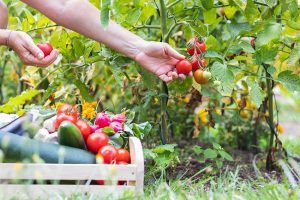
1. Excess homegrown goodness (fruit, veggies, herbs)

Are you a green thumb with loads of produce in your garden that the birds and insects are enjoying more than you are?

If you don’t enjoy 15 different versions of how to cook zucchini, share some with a friend.

Maybe they will have something to share with you in return!

2. Snacks!

No this isn’t a joke, healthy snacks are often expensive but they often don’t need to be.

Most of us enjoy variety, rather than eating the same thing over and over again.

Organise a snack swap, or someone makes morning tea one day a week at the office (or kids lunches at school).

That way fresh produce will stay fresh and you will have less waste.

Also think about snacks that are nutritious and perceived to be expensive (but aren’t and let me tell you why).

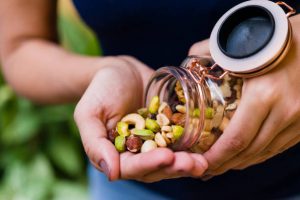
One of my favourite go to snacks are nuts, which you may consider expensive. The advantage is they are also filling, very healthy and non perishable.

This equals no waste!

It’s also worth remembering that a serving size for nuts is approximately 12 nuts, so that’s not many.

Remember a serve of fruit is also often a very cost effective snack, particularly when its’ in season (if it gets eaten and not put in the compost bin).

3. Use of exercise equipment

Does your exercise bike get more use as a clothes hanger?

Consider offering it to someone who will get some use out of it (as a bike), or swap it for another unused piece of exercise equipment that your friend has got bored of at their house.

Or even better, exercise together. Walk in the park, bike ride, trip to the beach anyone?

4. Share skills

Do you know an avid gardener who dreams of pulling weeds out of your garden?

This is a fantastic form of exercise, think of all that bending, squatting, pulling and lifting!

Options are to ask them to pop over and help you with something in the garden (a skill you would like to learn) and then swap it for something that is also a good physical work out and that you’re good at (painting, cleaning the pool, washing the car).

5. Split the cost of your streaming services

No, I am not advocating sharing your passwords.

If you’re signed up to netflix, stan, paramount, disney and any of the other ones, maybe you can share your stream by having a home cooked dinner followed by movie night together, then swap and go to your friends place next week.

Get creative about what you can share, save and be healthy and share your ideas with us.

Read More

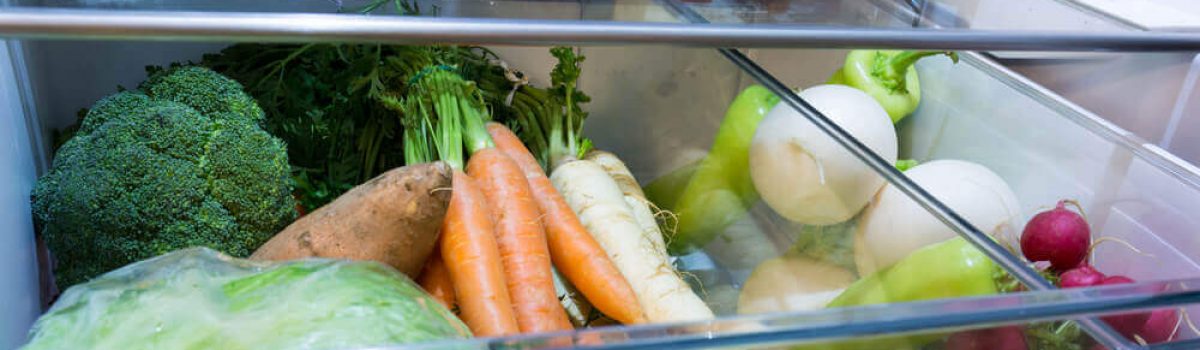
Make the most of your vegetable crisper, reduce waste, save money and nutritious simple kitchen surplus vegetable stock.

This makes a great base for soups, stews, slow cooks and sauces.

Or you can add some extra fresh veggies, small amount of meat or noodles for a light meal or snack.


Ingredients (follow very loosely) for 1 serving

  • Onion, tops, bottoms, and skins
  • Celery, tops and bottoms
  • 1 cup carrot (225 g), tops, bottoms, and skins
  • Mushroom, stem
  • Garlic, tops, bottoms, and skins
  • Potato (any type), tops, bottoms, and skins
  • Parsley, stems, including when herbs have gone to seed (or any other herbs such as coriander, rosemary, basil, thyme)
  • Water, as needed
  • Salt and pepper to taste

Please note…..

Can add other leftover vegetables such as zucchini ends, tomato tops / bottoms / skins, corn, beans, lentils.

It is best to avoid cauliflower, broccoli or brussel sprout stems as it can make the stock taste bitter.

Preparation

Remove the tops/bottoms/skins/stems from any vegetables you are preparing and place them in a freezer bag or sealed container – they can stay frozen up to 6 months.

Note: You can add many other vegetable scraps (especially the sweet ones!) – i.e. corn cobs, squash, pumpkin, zucchini, and other squash, beet greens, fennel, chard, lettuce, parsnips, green beans, pea pods, capsicum, eggplant, asparagus, and herbs like dill, thyme, parsley, and basil.

Continue stockpiling until the bag is full.

Place the contents of bag or container into a pot and fill ¾ of the pot (or until scraps just start to float) with water.

Bring water to a boil and then let it simmer for at least 30 minutes.

Strain water out of stock.

Refrigerate stock up to 4 days, or freeze up to 3 months.

Enjoy!

Read More