So how do we manage the stress, excitement, anticipation or fear about what’s going on?

  1. Firstly, be nice to yourself, if you’re feeling a bit out of sorts, you’re not alone.
  2. Space out your week – don’t overbook the diary and give yourself breathing space
  3. Don’t be afraid to say no (or not yet) to catch ups, events, dinners, parties etc.  It’s lovely getting back to these things, but don’t feel like you must.  There will be another opportunity.
  4. Name your feeling.  Whatever is happening for you, don’t be afraid to name what it is, this in itself can be comforting and help you get a sense of being able to manage the concern. 
  5. Sign up to our FREE Calm In A Crisis – 5 day meditation program.  This is available to you and we have had some incredible feedback from people who have got a lot from it. 
 

CLINIC COVID UPDATE

It’s hard keeping up with what you can and can’t do these days, so we just thought it would be helpful to take a moment to explain what will be the current status quo for all face-to-face appointments at Koru.

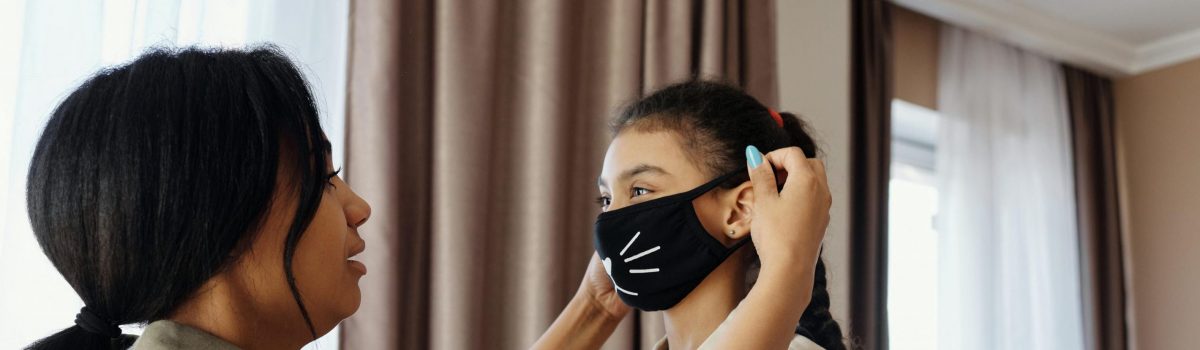
All patients will be required to wear a face mask (age 12+) and it is preferred that primary school-aged children wear one also where possible.

As we treat a high number of children who do not have the opportunity to be vaccinated and a number of other patients who are not vaccinated for various reasons, some patients will be required to wear an N95 or P2 mask for their consultation.

Our team will supply you with the appropriate mask for your appointment.

All healthcare workers continue to have increased responsibilities and requirements in order to keep you safe, such as wearing eye protection and in some cases additional PPE.

Please don’t be concerned if we are wearing more kit than you expect, there may be a number of reasons for this.

As an additional precaution, our team has implemented rapid antigen testing that we can perform in house at a minimum of once per week. This is to ensure that we are providing the highest level of protection to you and your family.

You can watch a video of us doing an RAT here (you will see that Prue is a bit of a scardy cat). 

APPOINTMENTS

We continue to be very busy at Koru, so please ensure you’re making appointments in advance to ensure you get your preferred time, day, and practitioner wherever possible. Online bookings are back on so you can book yourself in at 2 am if you’re having trouble sleeping.

Please call the clinic if you’re having difficulty finding an urgent appointment online. We will do our very best to accommodate you.

Yours in health.

Read More

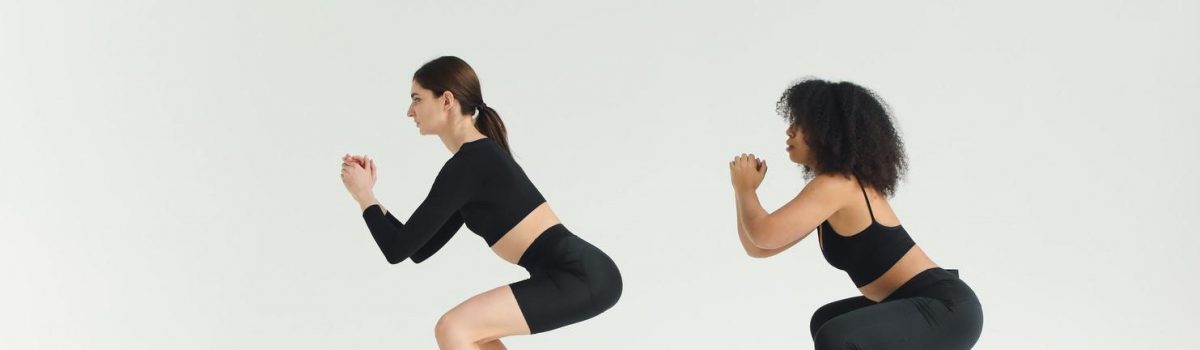
So in this video, we’re going to go through one of the most fundamental movements for our body, which is a squat. Now, squatting is incredibly important, but all of our bending activities, so often people find themselves just reaching down for things, picking up kids’ toys, or grabbing something out of the kitchen, cupboard or pumping something in and out of the dishwasher or the washing machine.

It’s something that we do all the time. And rather than being in the habit of using our back constantly, we want to try and help to learn, to engage and use our muscles and our body and our coordination differently. So we are more inclined to use our legs, buttom muscles, and really our whole body in order to squat. That’s what we’re going to do first is as you can see my feet position as slightly wider than hip.

So my here’s my hips, my feet are slightly wider than hip distance apart. And because of the angles of my hips, I’ve chosen to move my feet pointing out at about 45 degrees. Now, for some people feet facing forward, like this is perfectly fine. And some people outwards is going to be a little bit better. So you do there.

What’s right for you. Now we’re just going to really pay attention to popping weight evenly through both feet. Our toes through the heels. Just see if you can get a more even sprint away. We’ll wait till your pressure is moving through both feet. Now, some people might have a natural tendency of really locking out the knees, the knees to be slightly off.

True straightening. We’re going to think about really keeping those hips facing forward. Feel a little bit of a light drawing up through the front body engagement, light drawing in of the core that lifting up through the spine. And then we’re engaging back and down through the shoulders. Really think about how we can draw back and down through the back body. Now in order to do squat.

So we still think that drawing the shoulders back and down our hands further forward. Now, if you’d like to just check where your feet are, that’s absolutely fine. Now you may want to make your feet slightly further wider. If you feel like that would be better for you, that’s fine as well. This will help with your balancing a broader stance,if you do have any balance concerns, now we’re going to slowly bring the knees in line with the foot direction.

So as you can see, hopefully my knees are going outwards. My knees are not coming forward like this. If my feet were facing forward, my knees would track in line with my foot position because I’ve turned the feet out. My knees have to go out accordingly. Now thinking about squeezing the glute muscles.

Now I’m going to turn to the side and I’m going to show you something very important. So as I’m coming down, still engaging that core. So you have not slumping over at all, and I’m not letting my tummy hang out during in, but then as you can see, my hips are coming back as if I’m going to sit on a chair.

And one of the key features here is, is that you’re not going to see my knees over my toes. As soon as you’re like this, you’ve got a lot of tension and stretch going up through the calf. You’ve got a huge amount of pressure going through the quadricep muscles here at the front of the thighs. Whereas if we want to use our body more effectively, you’re going to take out bottom out behind us.

We’re really engaging the core, but using the gluts, your quads are still going to be active feet, toes down. I have a bit of a tendency to lift the toes. So just listening to my own body, my own tendencies and accounting for that. Then we’re taking the bottom really out behind us.

And hopefully you’re going to get to the place where you’re going to be able to at least get your hips down to your knee height. So at 90 degrees, we can maintain this position, do a chair pose, and then slowly what come up. So think about being lifted up. So we’re really using our whole body to engage in that process. Now it can take practice to get to the point that you can come down that far or that you’re not transferring that weight more on one side of the other.

You might find yourself twisting and rotating as you’re doing it. I do think it’s worthwhile. You have any concerns about your technique to record yourself so you can actually review what it is that you’re doing, because you might maybe be able to pick something up on camera that you might not actually be aware of at the time. The other alternative is to do it in front of the mirror, which is why gyms often have mirrors.

So people can actually correct their form. Now, not everyone is comfortable with that, which is why sometimes getting someone else to film you can be a great option. Now, if you have concerns about not being able to develop your squat, we can actually do it start from a seated position. So you could get a chair practice standing up and then sitting back down on the chairs.

Read More

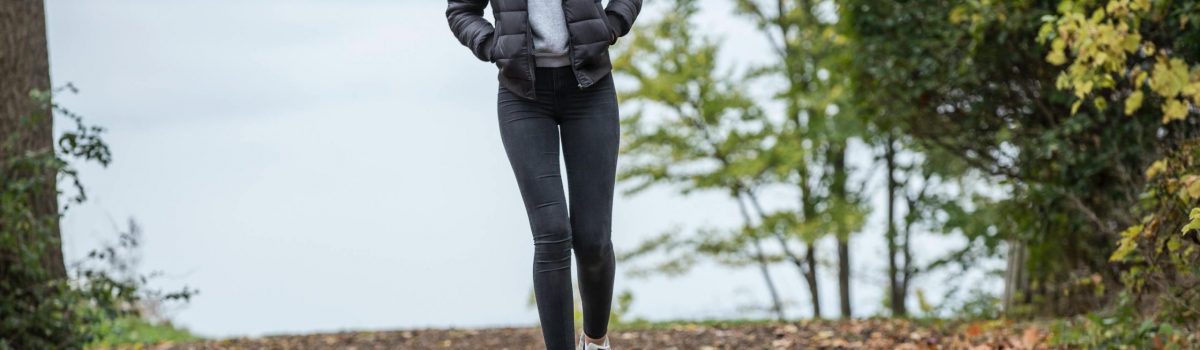
I just thought I’d take you out for a walk with me for a little bit this morning. It’s such a sunny day. Like it’s, you know, over here it’s cloudy and then I don’t know if you can see that, there’s some blue sky and I don’t know about you, but it’s so easy to go. Oh, it’s raining

I can’t go for a walk today or, oh, it’s windy I can’t go for a walk today or, oh, it’s too hot I can’t go for a walk today and you know, I get it. I just want to, well, let you know, I really get it because I’ve been there and I’ve done that and this is one of the reasons why during module zero, I told you so much about what is your why?

Because if your, why is more important than getting wet or sweaty or some other just slightly awkward thing or muddy shoes, which is probably one thing I’m going to come home with today, then it’s just, you’re just not going to care that much. You know, I always feel so much better going out in the fresh air.

fresh air walk

It just revitalizes me my mood’s better and you know, if you’ve, if you see the advantages in what you’re doing more than the hurdles, you know why you want to go and do it, it’s just so much easier. And you know, I’m really lucky I get to walk in beautiful area. I’ll just try and show you a bit of the surrounds of where I am.

So I’m just me, my house, as you can see, there’s absolutely no one around. So I thought I’d take my mask walk for a couple of minutes, but obviously, if someone pops by, which is very unlikely near where I am, then obviously I will definitely pop my mask back on, but it’s just so easy to go. Oh, I’ll do it later.

Oh, I’ll do it tomorrow. Oh, I’ll do it next week. Oh, I’ll start an exercise program next year. And you know, I just see, gosh, I’m just going to feel so much better if I get outside and get moving and you know, if you’re into the grand final or near into the football, which isn’t really my thing, but I know it is a thing for lots of other people.

It’s like if you’re going to spend the time to sit down to watch all those football is on TV maybe you, maybe you can use that as a motivation for like you want to go get for yourself. So I hope that you’re having a great day and let me know if you’re at getting some movement for today where you are.

And hopefully, you’re within five K’s from home I think that’s as far as we’re still allowed to go these days and, but, you know, I think we’re so lucky in the Yarra Valley. We’ve just got so many beautiful places that you can go and see within five K’s from home and can I make the most of it get out there and just enjoy the day for whatever it is.

And actually, I’m going to tell you one last thing, the one thing that really helped me to get outside more consistently, regardless of whatever the weather was doing is buying some investing in some good quality pieces of clothing that, you know, it going to suite no matter what the temperature is. So as you can see, I’ve got my, this is a Uniqlo puffer.

I think I got it on sale for about $90 and it is so warm I live in this thing. I mean it literally every single day and the good thing is too, is that I don’t tend to actually overheat in this too much. I do actually have a warmer one. That’s a bit bulkier than this one, which I paid about the same amount of money for which is also from Uniqlo.

And then the other thing that I do is I wear Merino so I’ve got Merino one, hang on, I’m on Merino jumper on. So what’s the advantage of this it’s super breathable. So, you know, it keeps you warm, keeps you dry if it gets wet, you’re not going to get cold if Merino gets wet, that’s a massive advantage.

And then underneath, I’ve also got a singlet it that’s also Merino. So same thing so wearing layers is helpful. Wearing breathable fabrics is helpful and that way, and you can use them nearly all year around. Obviously like in the midst of summer, maybe I wouldn’t wear Merino, maybe I’d wear bamboo, but I often, I still wear a lightweight Merino because like I said, it’s really breathable you don’t smell in it that’s another winner.

Just ask everyone around you people who love you and care about you. They’re gonna be happy about that and it doesn’t, it doesn’t chafe or rub so that’s good too. So, you know, sometimes we have to get out of our own way in order to make it easier for us to be able to go and do those things.

So if having the right outfit helps you I’m not saying that as like looking good, but hey, if that’s an advantage and that’s something that’s important to you too, or hey, go do that as well. We’re in good footwear you know if you don’t have a good pair of shoes or you’re worried you’re gonna slip over, or they got a crack in the, in the sole and you going to get wet feet, you know, that’s not going to help you to get outside.

So sometimes we actually have to, you know, take the time and invest in some of those things to make it easier for ourselves. And that way it’s going to be a far more enjoyable experience. And you have a better time when you go.

So anyway, hope that’s helpful. Have a great day and get outside. Get out in here in nature.

Catch you soon. Bye.

Read More

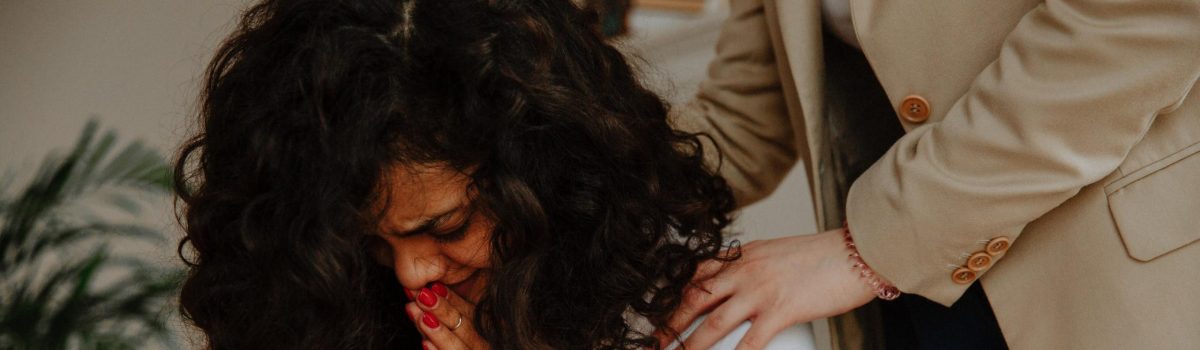
Are you prepared to ask someone “Are you okay?” and for them to respond with “no, not really.”

Lots of caring people want to do right by their friends, family, colleagues, neighbours, the barista at the local cafe but have no idea what to do if suddenly finding themselves in this situation.

Do you immediately try and ask a million questions about what’s wrong, why do they feel that way and how can you fix it for them?

Before you know it, you have turned into their interrogator. 

Or do you have more of a tendency to say a few comforting words, such as “it will get better”, “what are you so worried about”, or “it’s not that bad, life will turn around in no time” or “chin up.”

All of a sudden, you have potentially invalidated how they feel.

Leaning into these difficult and often very personal conversations can be challenging, but also provide an opportunity for personal growth, deepening of relationships, and heartfelt connection.

But how do you do it with compassion, care, empathy, and sensitivity, and how do you not take on the responsibility of fixing their problems or taking on the burden as your own?

First and foremost, recognise your own capacity to be with the person in the moment.

You may have asked quite innocently how someone is going and you get an unexpected reply.

What if you can’t talk right now, but want to?

Here is the possibility that you’re short on time, have a lot of pressures you are currently juggling, not be in an appropriate space or not in the correct frame of mind to truly engage in this conversation.

Having some go-to sentences or statements can be helpful for these situations.

I’m sorry to hear that you are struggling.  If you would like to, I can make myself available (at x time) to talk about this further.

Or

I had no idea this was happening for you but I’m glad you reached out.  As you are important to me, I’d like to give you my full attention and take the time to listen.  Can we make a date/time to have a cup of tea/lunch/chat?

What if you’re not the right person for them to speak to – not now, not ever

If you don’t feel comfortable and or you’re not the right person for them to talk to, it is helpful to think about how you can be supportive and guide the person to someone who is in a better position to help.

The following statements may be of interest to you.

I’m sorry you’re feeling this way, that sounds really hard.  Who do you have in your life that can best support you with this?

Or

That sounds tough, I’m glad you feel comfortable enough to share this with me.  I’m sorry I’m not in the position to be able to support you directly with this right now but want to ensure you have the care you need.  Can I help put you in touch with someone who can?  (then have support numbers on hand, or encourage them to speak to family/friend/health professional – see below).

What if you can and are willing to chat about this more deeply

“I’m sorry you’re having a hard time.  I’m here to listen if you would like to go into it further?”

Or 

“Wow, that sounds rough.  Would you like to tell me more about it?”

These statements are a safe and empathetic way to open the conversation up a little more.

Often people just need someone to sit with us and be there in the moment when we are having a hard day, week, or situation that we are working our way through.

It’s not always about problem-solving, finding someone or something to blame, or referring them onto a health professional.

Sometimes listening and being open to just being supportive can be enough.

You don’t necessarily have to agree or disagree with them about their stress, thoughts, or feelings either, just acknowledging how they feel and listening to their struggle/concern can be reassuring and helpful.

It’s important to recognise, the person you’re talking with may or may not have the same moral compass, religious belief, cultural approach, or political affiliation as you.

This is okay and just allowing them to be who they are, or finding their own path can be appropriate and helpful.

Just opening up and chatting about their fears, emotions or stressors is enough to feel better about it.

As they say, a problem shared is a problem halved.

Asking open-ended questions, rather than questions that are either a yes / no answer can help keep the flow of conversation going and help provide clarity or opportunity to express their concerns.

It can be appropriate to ask if they would like any specific help.

What you may automatically think of as helpful, may not be received as help, but rather a distraction or a burden.

Statements such as “is there anything you can think of that I can help you with?” or “what would you find helpful at the moment?”  may be useful.

Is this person’s (or someone else’s) safety at risk?

What if the person you’re chatting with discloses they are having thoughts of harming themselves or others?

This can be a very confronting situation.

Some common fears are, if I ask or say something about suicide, are they more likely to do it?

The answer is a definite no.

You asking if they are thinking about suicide, ending their life, or dying does not increase the risk of them going ahead with it.

In fact, talking about it and them having the opportunity to get help is more likely to reduce their risk.

So if you think someone is at risk of hurting themselves, this could be for a huge number or reasons (such as destructive, or out-of-character behaviour, making jokes / flippant comments about suicide, experiencing significant distress) don’t be afraid to ask.

How to ask if someone is at risk of suicide

Often being direct when asking this type of question is best.

Ways to ask could include:

“I know you have been having a hard time recently, have you had any thoughts about hurting yourself or suicide?”

“Have you been thinking about death and dying recently, particularly suicide?”

“Do you think you are at risk of suiciding?”

What else do you need to know if they are at risk of suicide?

Key questions to ask and increase the risk include:

Do you have a plan on how you would do it?

Have you taken any action to put this into place? (have they acquired medication, a weapon or made a will or provisions for their family)

Do you have a time frame in mind?

The other determining factor is are they intending to go thru with it.

The more specific, detailed, and planned they are, the higher the risk.

If someone is in immediate danger, call 000 and ask for ambulance.

People who have high risk should not be left alone until further assistance is available.

Ensuring someone is safe

If someone is making plans, but they are not in immediate danger, they may require further professional support services.

You do not need to handle this on your own.

If someone wants you to keep it a secret, it’s best, to be honest and say that you care for them deeply enough to ensure more support is in place for them.

It may be appropriate to assist them in making an appointment with their GP or mental health professional such as a psychologist or psychiatrist if they have one.

Alternatively, if someone is reporting risk of harming themselves or having significant mental health distress and may require a hospital, you can seek the assistance of the CATT (Crisis Assessment and Treatment Team).

The outer eastern service is managed by Eastern Health and can be contacted on 1300 721 927.

Additional family and friend support can also be helpful, especially if the person is not able to get any immediate professional care.

A list of contact numbers, including support 24-hour hotlines can also be useful, in case they escalate, feel isolated, or want to chat when others are unavailable.

Service providers include:

Suicide Call Back Service: 1300659467

Beyond Blue: 1300224636

Lifeline: 131114

Kids Help Line: 1800551800

Resources for Carers:

Carers Australia: 1800422737

Mind Australia: 1300554660

If you are interested in more specific information or training on Mental Health First Aid, you can find out more information here.

People who are struggling with their emotional wellbeing can have differing needs at different times and what may be right at one time can change, or be different from person to person.

Keeping yourself safe and supported while caring for others is also incredibly important and it is worthwhile recognising your limitations and seeking your own support as needed.

People who don’t have a mental health condition can still benefit from mental health support.

A psychologist or mental health expert can help people develop tools and strategies to deal with and manage stress over time.

In fact, many health care professionals, who spend their careers taking care of others regularly engage in something called “clinical supervision”. 

This is to ensure the health and wellbeing of the carer and to decompress and discuss difficult cases or situations with another health worker.

Ensuring your mental wellbeing, or seeking out support services does not make you weak, lesser than, or sick. 

In fact, it is often the preventative care that keeps us safe and well for the longer term.

We would love to hear your thoughts on RUOK day, what to do if they’re not okay, and any feedback about any services you have engaged with.

Read More